Why Are Loose Carpets a Safety Hazard in Your Home?
Every year, thousands of people suffer fall-related injuries inside their own homes, and loose or improperly secured carpets are among the leading culprits. What appears to be a minor flooring issue, a slightly buckled rug near the hallway or a corner lifting in the living room, can escalate into a serious accident within seconds. The risk is not limited to the elderly or young children, though they remain particularly vulnerable. Anyone moving through a space without paying close attention to the floor beneath their feet can catch a toe, lose balance, and fall hard.
Homeowners often treat loose carpet as a cosmetic inconvenience rather than a structural safety concern. That mindset is where the real danger begins. Flooring that shifts, bunches, or fails to grip the subfloor creates an unpredictable surface, one that behaves differently depending on footwear, speed of movement, and the weight of whatever you are carrying. Understanding why this happens and what it means for the people living in your home is the first step toward making smarter flooring decisions.
What Causes Carpets to Come Loose
Aging and Wear
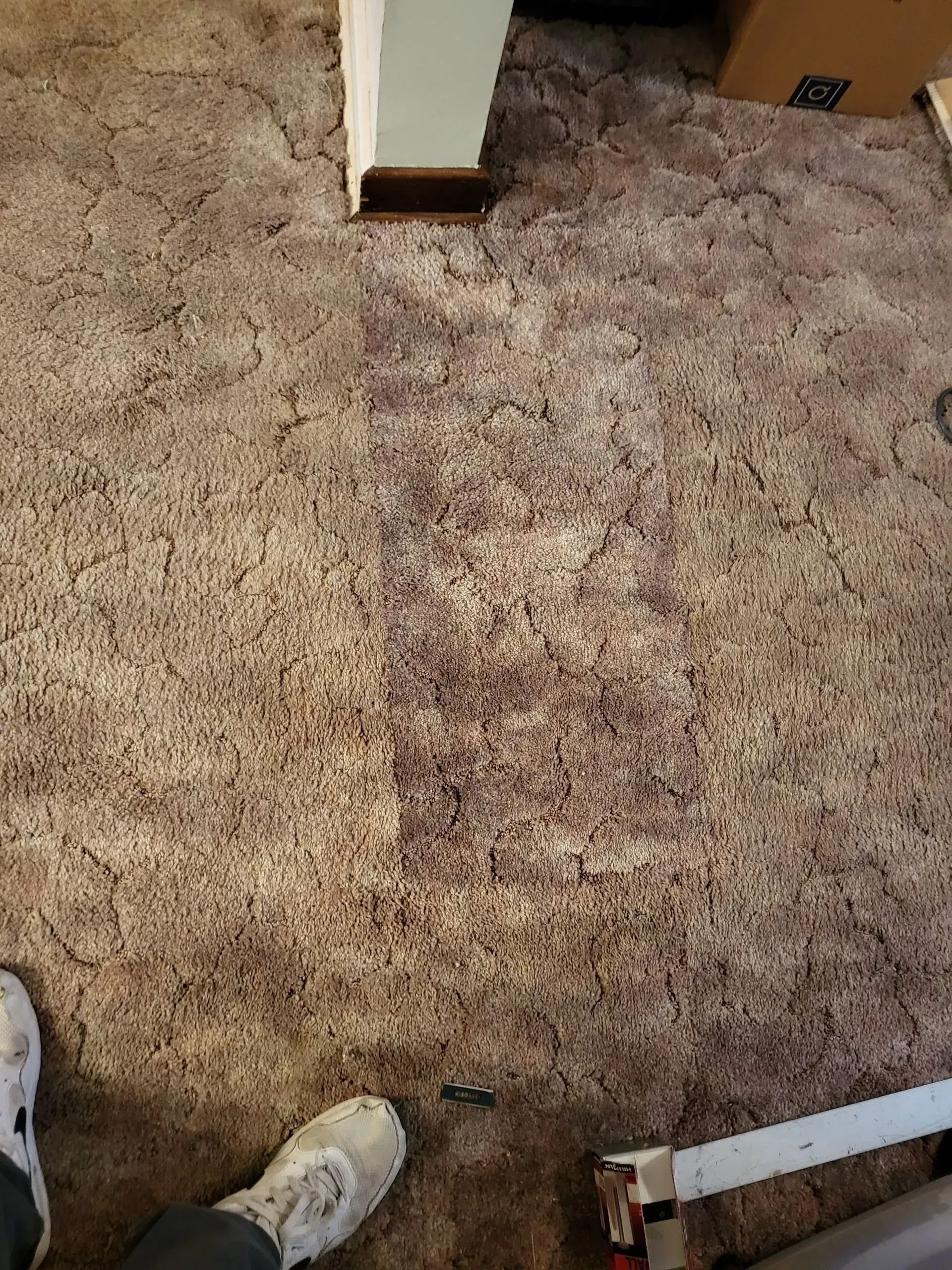
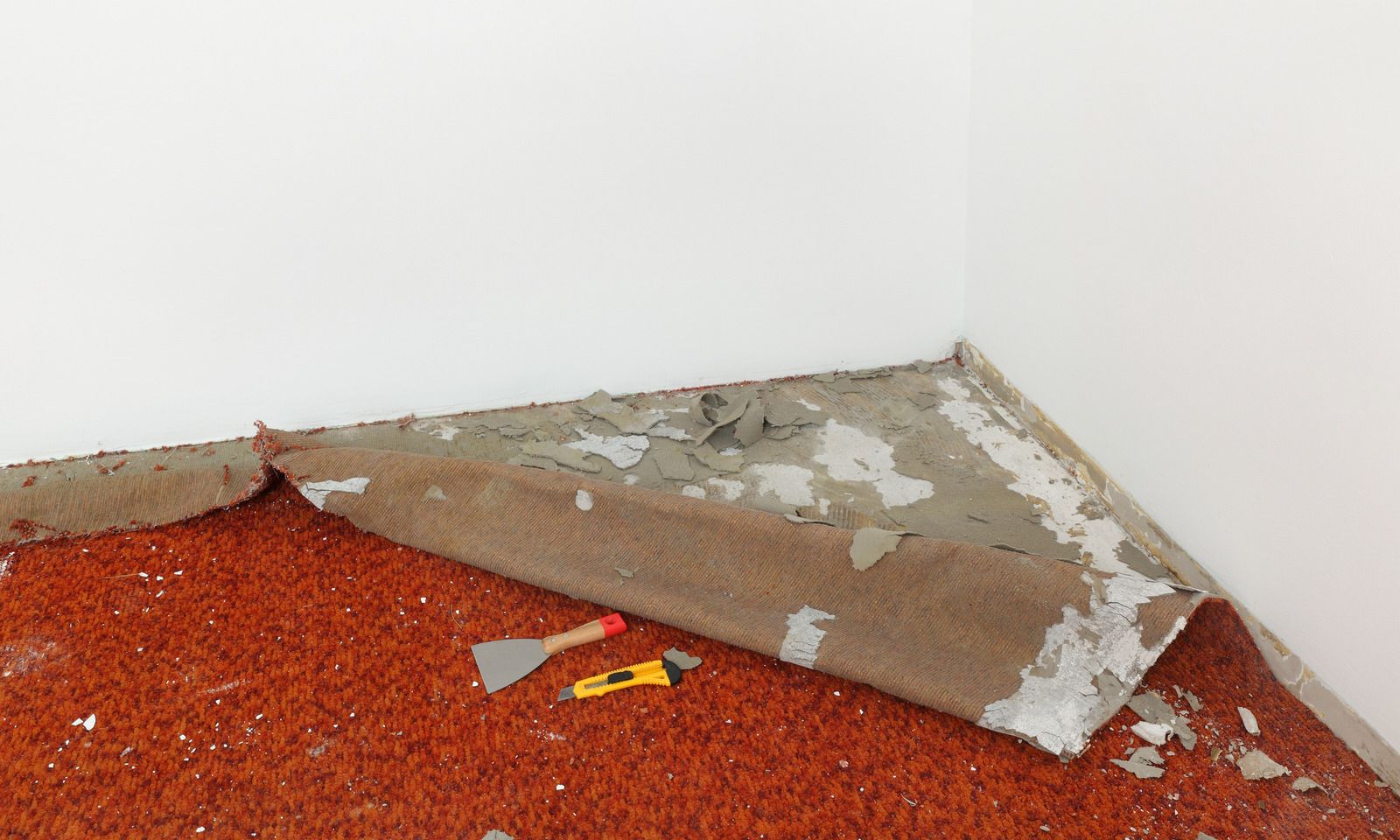
Carpet is not designed to last indefinitely without maintenance. Over time, the tack strips that hold carpet edges in place lose their grip. The carpet backing degrades, padding compresses unevenly, and the material begins to separate from the edges and seams. In high-traffic areas like hallways, staircases, and entryways, this process happens faster. A carpet that was properly installed a decade ago may now present a genuine hazard simply due to normal aging.
Poor Installation
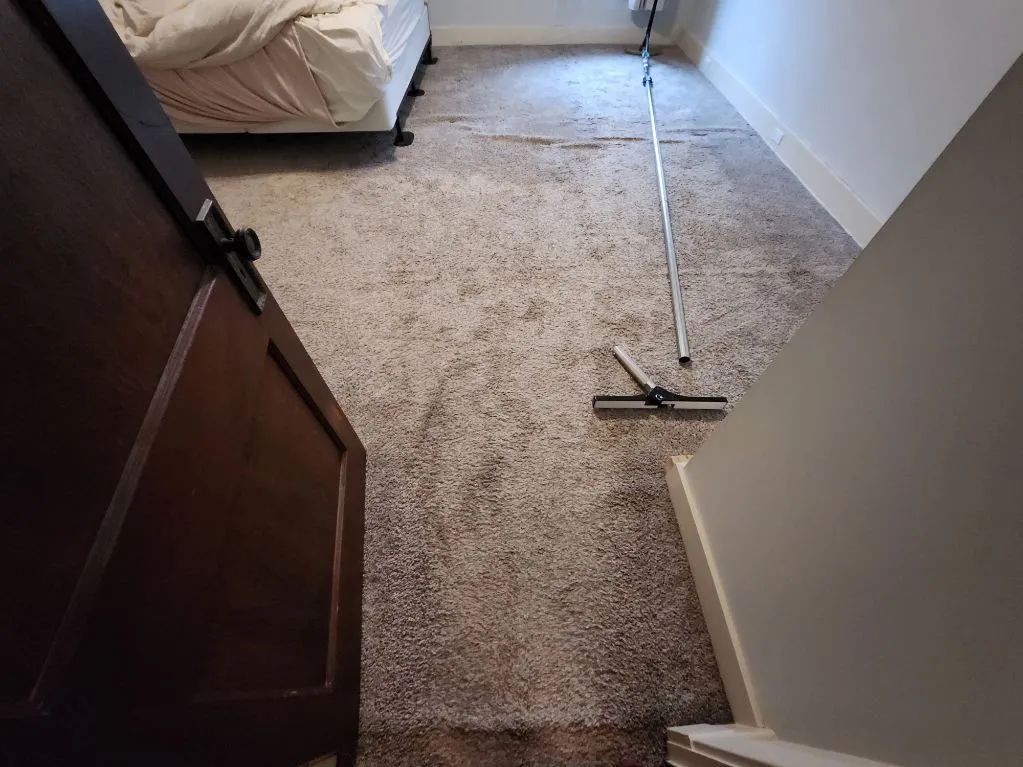
Not all carpet installations are done to the same standard. When tack strips are placed too far from the wall, when seams are not properly aligned, or when the carpet is not stretched with adequate tension across the room, the material will eventually shift. Inadequate stretching is especially common and leads to rippling and buckling that worsens over time. These ripples are not just unsightly. They are the exact type of surface irregularity that causes people to trip.
Moisture and Subfloor Issues
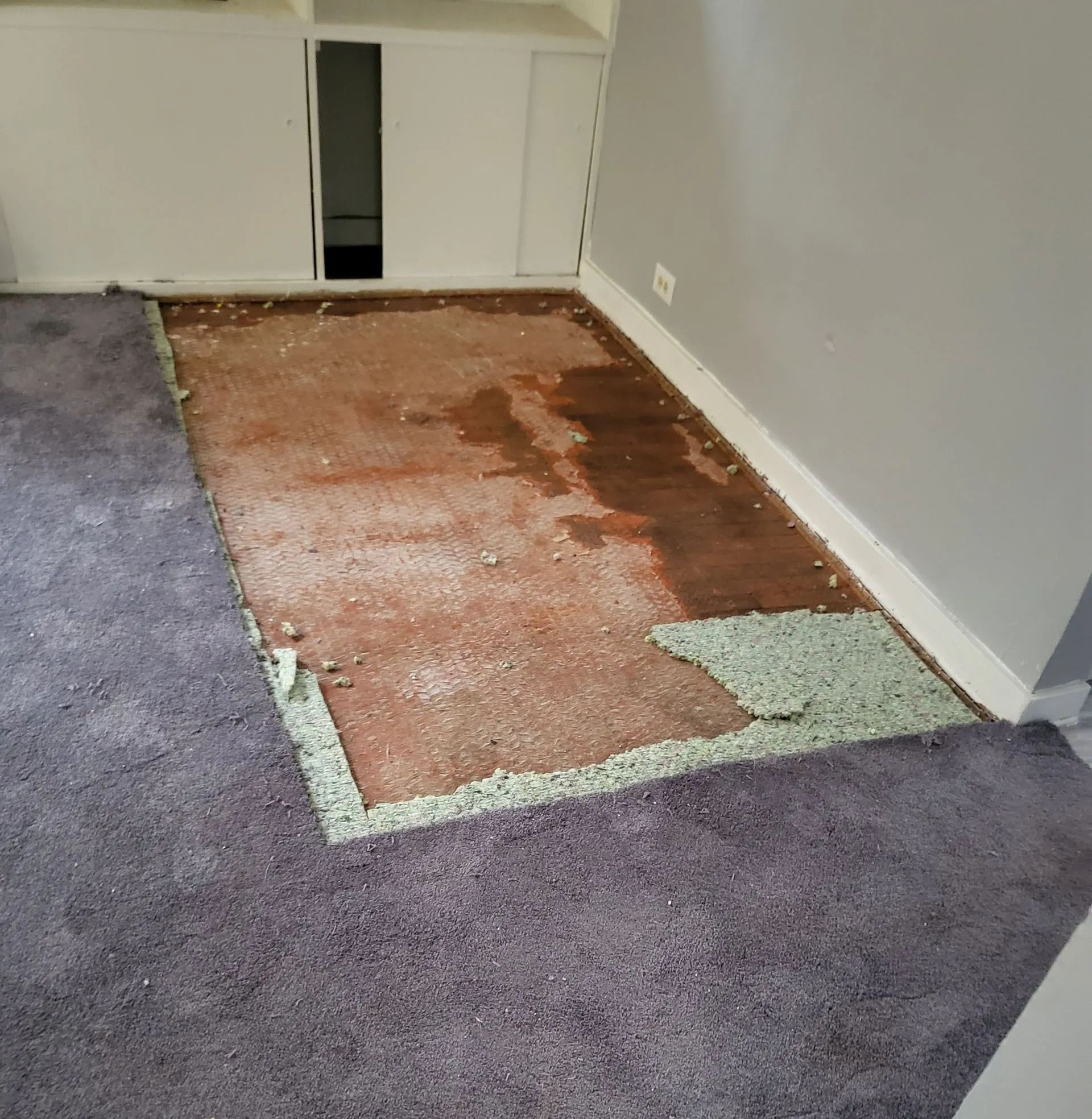
Moisture trapped beneath carpet causes the backing to weaken and the adhesive or tack strip grip to fail. A slow leak under a bathroom carpet, condensation in a basement, or even high indoor humidity can accelerate separation. The problem is often invisible from the surface until the carpet begins to buckle or develop soft spots. By that point, the subfloor itself may also be compromised.
The Real Risks: More Than a Trip Hazard
Falls and Fractures
The most immediate danger of a loose carpet is a fall. Falls are the leading cause of non-fatal injuries among adults in the United States, and a significant portion occur at home. A buckled carpet in a dimly lit hallway or at the base of a staircase removes the consistency people rely on when walking through familiar spaces. Older adults, who may already have reduced balance and bone density, face a higher risk of hip fractures, wrist injuries, and head trauma from these falls.
Staircase Hazards
Carpeted stairs deserve special attention. A loose stair runner or a carpet edge that has separated from the riser creates an especially dangerous situation because the consequences of a misstep on a staircase are severe. Unlike a fall on a flat floor, a tumble down stairs can result in multiple impact injuries. Any carpet that shows signs of lifting on a staircase should be treated as an urgent repair, not a deferred maintenance item.
Fire Escape Complications
This risk is less obvious but worth noting. In an emergency evacuation, loose carpet in a hallway or near an exit can cause someone to fall while moving quickly. People do not look down during emergencies. They move fast and expect the floor beneath them to be stable. A carpet that shifts underfoot in those seconds can slow evacuation or cause injury at the worst possible moment.
Wheelchair and Mobility Aid Interference
For anyone using a wheelchair, walker, or cane, a buckled or loose carpet creates a meaningful physical barrier. Wheels catch on raised edges. Walkers snag on ripples. What a walking adult might step over without noticing can bring someone using a mobility device to a complete stop, or cause them to lose control of the aid entirely.
Hidden Hazards Beneath the Surface
Mold and Air Quality
When moisture becomes trapped under loose carpet, it creates conditions where mold and mildew can develop without any visible signs at the surface. Mold spores affect indoor air quality and can trigger respiratory issues, allergic reactions, and chronic irritation, particularly in children and those with asthma. A loose carpet that allows moisture to accumulate under the padding is not just a fall hazard. It is a long-term health concern.
Pest Access
Gaps between carpet and baseboards or along seams that have separated give insects and small pests easier access to the space beneath the flooring. Once pests establish themselves under carpet, they are difficult to detect and remove without pulling the flooring up entirely. Routine carpet maintenance reduces the likelihood of these entry points developing.
High-Risk Areas in the Home
Some areas of a home carry significantly more risk when carpet becomes loose.
Staircases are the highest-risk zone. Any movement in stair carpet warrants immediate attention.
Hallways see heavy foot traffic and are often poorly lit at night, making surface irregularities harder to detect in real time.
Bathrooms and laundry rooms are prone to moisture exposure, which accelerates backing degradation.
Entryways are high-impact zones where carpet takes repeated stress from outdoor footwear and shifting weight.
Bedrooms used by elderly family members require particular attention since falls at night, when awareness is lower, are especially dangerous.
What to Do About a Loose Carpet
Do Not Wait to Address It
A loose carpet does not get better on its own. The underlying causes, whether aging, moisture, or a flawed original installation, will continue to worsen. Stretching and re-securing carpet in the early stages of loosening is far simpler and less costly than dealing with the subfloor damage, mold remediation, or injury consequences that can follow from neglect.
Professional Re-Stretching
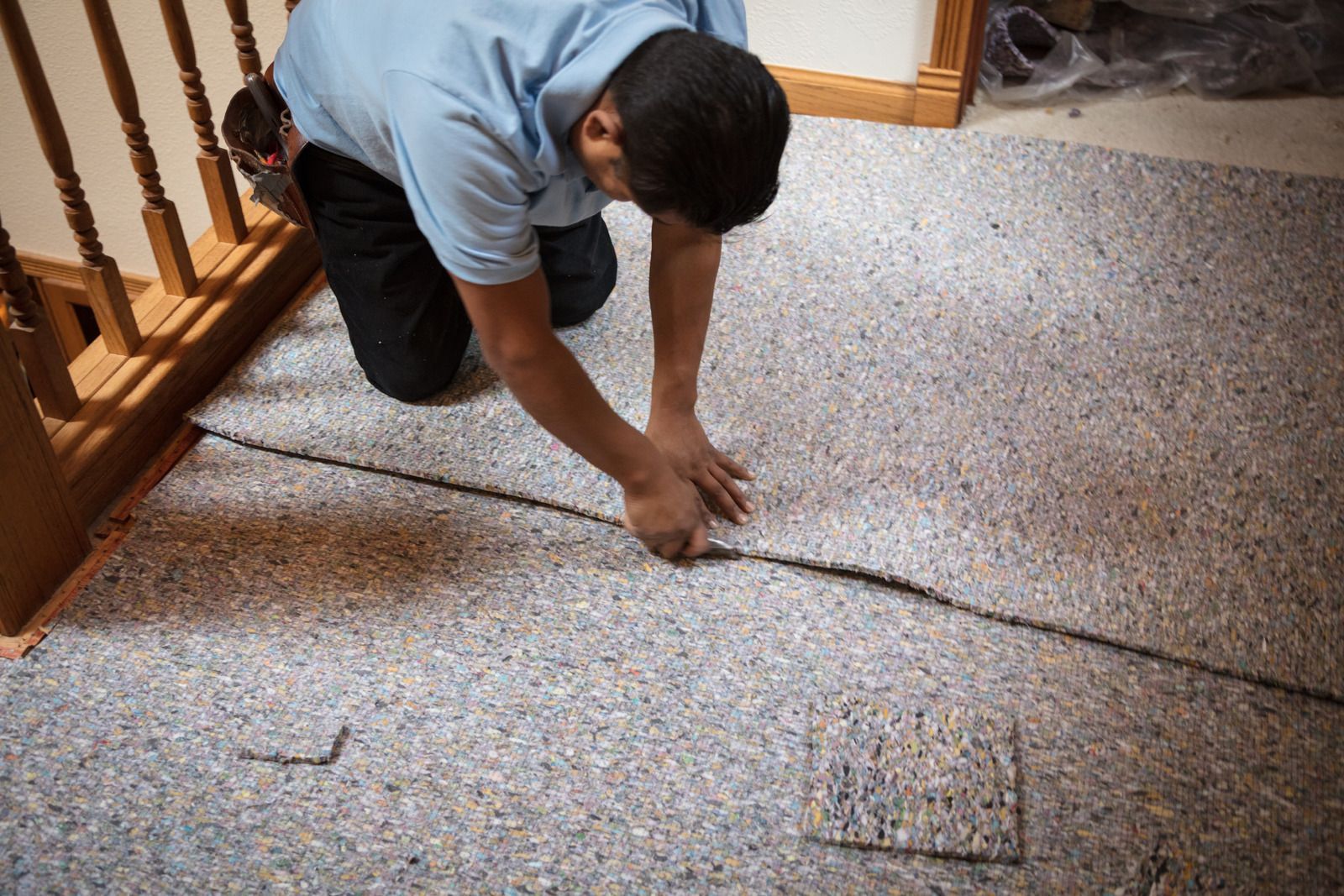
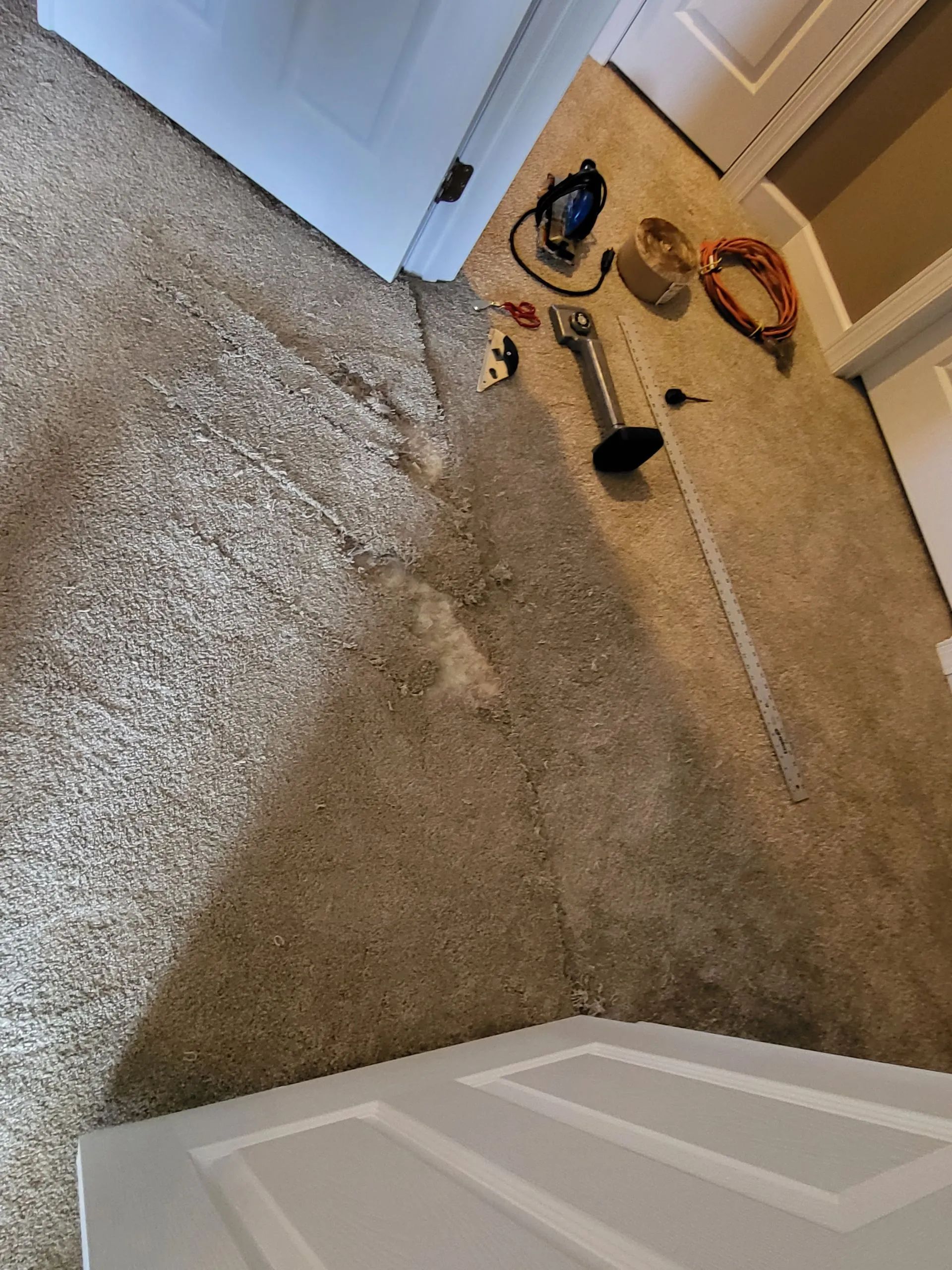
Power stretching is the industry-standard method for re-securing carpet that has buckled or rippled. This process uses a knee kicker and a power stretcher to pull the carpet back to its correct tension across the full width of the room before re-securing it to the tack strips. DIY methods like simply pressing the carpet back down or adding adhesive at the edges do not address the underlying tension problem and will fail again quickly.
Replacement When Necessary
When carpet has aged beyond the point where re-stretching is practical, when the padding has fully compressed, or when the backing has deteriorated, replacement is the safer choice. Continuing to patch and secure a carpet that has structurally failed puts the people in that home at ongoing risk.
Tack Strip Inspection
Part of any professional carpet service should include inspecting the tack strips around the perimeter of the room. Strips that have lost their grip, shifted away from the wall, or been damaged need to be replaced before re-securing the carpet. Carpet secured to failing tack strips will come loose again within months.
Expert Flooring Solutions From Pittsburgh's Most Trusted Team
Loose carpets are not a minor cosmetic issue to be set aside for another season. They represent a genuine and preventable safety risk that affects everyone in the home, from young children to older adults and anyone using mobility aids. The hazards range from immediate fall injuries to longer-term concerns like mold exposure and compromised air quality. Recognizing the warning signs early, acting on them promptly, and relying on proper professional methods to re-secure or replace failing carpet are the decisions that keep a home genuinely safe.
At Hamilton Flooring LLC, we have spent 20
years serving homeowners across Pittsburgh, Pennsylvania with the knowledge and hands-on skill this work demands. We understand how carpet behaves over time, what causes it to fail, and what it takes to restore a safe, stable floor surface in any room of the home. Whether the job calls for
professional re-stretching, tack strip replacement, or a full
carpet installation, we bring the same standard of care and technical understanding to every project. Pittsburgh homeowners trust us because we do not treat flooring as a commodity. We treat it as a structural component of a home that directly affects the health and safety of the people living inside it. If your carpet has started to buckle, lift, or shift, reach out to us and let us assess what your floors actually need.
FAQs
How do I know if my carpet needs re-stretching or full replacement?
If the carpet shows visible ripples or buckles but the backing is still intact and the padding has reasonable resilience, re-stretching is usually sufficient. If the carpet feels thin, the backing crumbles when bent, or there are signs of mold or persistent moisture, replacement is the more appropriate solution.
Can a loose carpet cause long-term joint injuries beyond a single fall?
Yes. Repeatedly navigating a surface that shifts underfoot forces subtle compensatory movements in the ankles, knees, and hips over time. These micro-adjustments can contribute to chronic joint strain, particularly in older adults who spend significant time in the home.
How often should wall-to-wall carpet be professionally inspected?
A general benchmark is every five to seven years, though high-traffic areas may warrant inspection sooner. Staircases and hallways should be checked more frequently given the volume of use they absorb.
Is area rug slipping the same safety risk as wall-to-wall carpet loosening?
The mechanisms differ but the hazard is comparable. Area rugs without non-slip backing or padding move freely on hard floors and present a significant trip risk. Both issues deserve attention and both have straightforward solutions.
Can I use carpet tape as a temporary fix for a loose edge?
Carpet tape can hold an edge down temporarily, but it is not a structural solution. The tape will fail over time, and the underlying cause of the loosening will remain unaddressed. It is acceptable as a very short-term measure while scheduling a professional repair, but should not be relied upon as a lasting fix.