Is Your Carpet Buckling or Wrinkling? Here’s What You Should Do Next
Carpet buckling and wrinkling are common issues that many homeowners encounter, yet they are often underestimated until the problem becomes severe and affects overall flooring performance. These unsightly deformations can occur in any space, from high-traffic residential rooms to commercial settings, and can compromise both the aesthetics and safety of your environment. Beyond visual concerns, buckled or wrinkled carpets can create stress points that accelerate wear, reduce comfort, and diminish the effectiveness of your carpet’s padding. Understanding the signs, causes, and appropriate responses is crucial to maintaining a healthy, visually appealing flooring system that stands the test of time. For many, noticing ripples or raised areas in carpet triggers uncertainty: is it a minor inconvenience, or a symptom of a larger structural concern that could lead to expensive repairs or replacement? Properly addressing these issues early can prevent costly repairs, protect your investment, and extend the life of your carpet significantly.
The relevance of recognizing and responding to carpet buckling or wrinkling extends beyond appearances, directly impacting safety, hygiene, and long-term property value. Left untreated, these problems can pose trip hazards, accelerate wear and tear, and even affect indoor air quality if dust, allergens, or moisture accumulate in loose carpet areas. Ignoring these issues can also compromise the structural integrity of your flooring, especially in high-traffic zones or areas with furniture pressure points. Whether you’re a homeowner, property manager, or business owner, knowing how to act when your carpet shows signs of distress is essential to ensuring both safety and aesthetics. This article explores the root causes, corrective measures, preventive strategies, and expert tips to ensure your carpet remains safe, functional, and visually pleasing for years to come, providing actionable guidance that can help you avoid common pitfalls and costly mistakes.
Understanding Carpet Buckling and Wrinkling
What Buckling and Wrinkling Mean
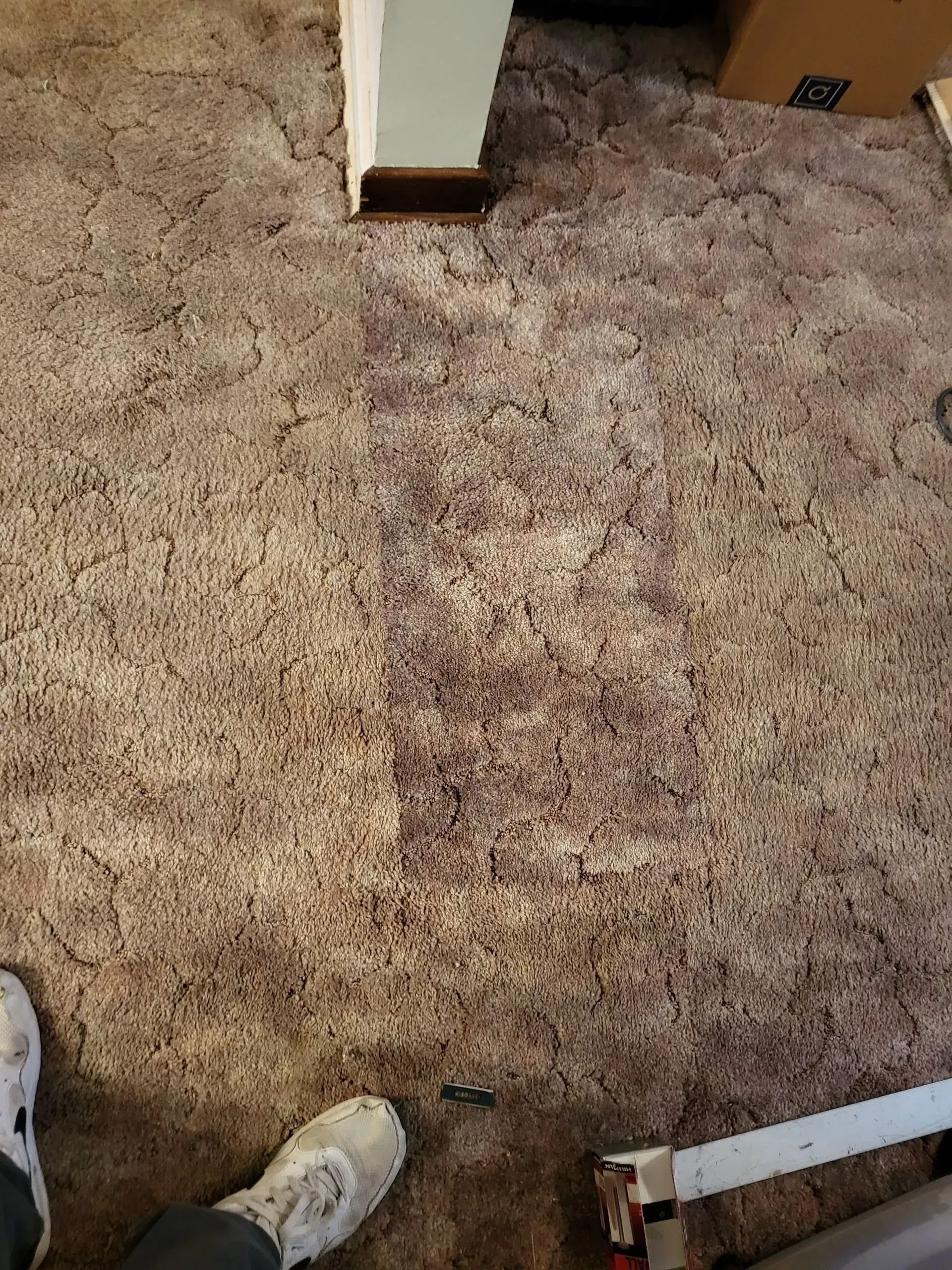
Carpet buckling refers to areas where the carpet rises sharply, forming waves or folds that are difficult to flatten. Wrinkling, on the other hand, is a milder form of distortion where the carpet appears loose and uneven across the floor surface. Both conditions are often indicators of underlying issues with installation, environmental changes, or subfloor problems.
Common Causes of Carpet Deformation
- Improper Installation: A poorly stretched carpet or incorrect tack strip placement can result in immediate or eventual buckling. Over time, inadequate stretching allows the carpet fibers to loosen, forming ripples.
- Humidity and Moisture Fluctuations: High humidity, water leaks, or condensation from HVAC systems can weaken the carpet backing and adhesive, causing it to lift.
- Wear and Tear: High-traffic areas are prone to wrinkling due to continuous foot traffic compacting certain areas and loosening others.
- Subfloor Issues: Uneven or damaged subfloors create instability, resulting in waves in the carpet that become more pronounced over time.
Understanding these causes helps homeowners and business operators identify the root of the problem and implement the right corrective measures before the damage worsens.
Identifying the Signs Early
Visual and Physical Indicators
Recognizing the early signs of carpet buckling or wrinkling is crucial for timely intervention. Visual indicators include:
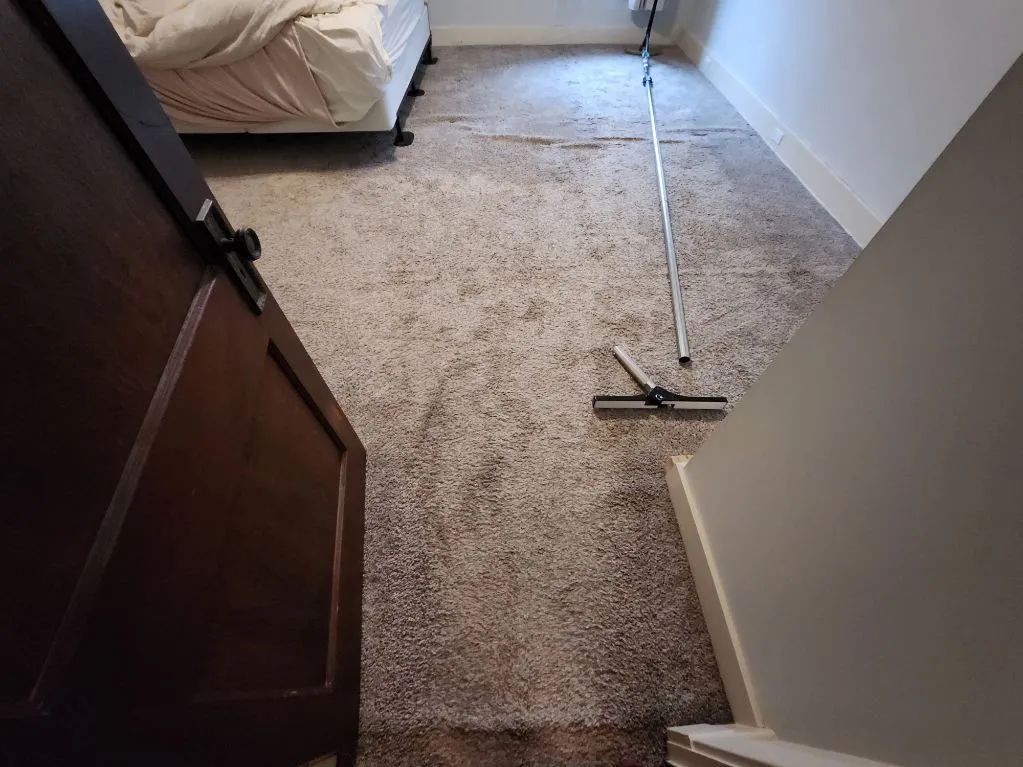
- Raised areas or ripples in the carpet surface.
- Uneven seams or misaligned patterns in patterned carpets.
- Bulging along walls or under furniture.
Physical indicators often accompany visual cues:
- A spongy or unstable feel when walking over certain areas.
- Noticeable tripping hazards or discomfort underfoot.
Real-World Example
Consider a commercial office setting where the carpet in a hallway begins to show subtle waves. Initially, employees might overlook the issue, but over time, the waves grow, creating a trip hazard. Identifying and addressing the problem in its early stage not only prevents injuries but also avoids costly carpet replacement across the entire hallway.
Early detection enables a proactive approach, which minimizes damage and maintains both safety and visual appeal.
Immediate Actions to Take
Safety Precautions
Before attempting any carpet adjustments, safety should be the primary concern:
- Clear the area of furniture to avoid accidents.
- Use caution when walking on loose or raised carpet areas.
- Consider temporary markers or signage in high-traffic zones.
Temporary Solutions
While professional intervention is often necessary, certain immediate actions can mitigate further damage:
- Furniture Weight Adjustment: Redistribute weight to flatten minor ripples temporarily.
- Carpet Tape: Specialized double-sided tape can hold the carpet in place until professional repairs are performed.
- Humidity Control: Use dehumidifiers or air conditioning to reduce moisture levels that worsen buckling.
When to Call a Professional
Minor wrinkles may be manageable with DIY stretching, but significant buckling requires professional expertise. Indicators for calling a professional include:
- Large areas of raised carpet.
- Persistent ripples despite attempts to flatten.
- Water damage or mold presence underneath the carpet.
Timely professional intervention ensures structural integrity and prevents the carpet from deteriorating further.
Carpet Repair and Restoration Options
Carpet Stretching
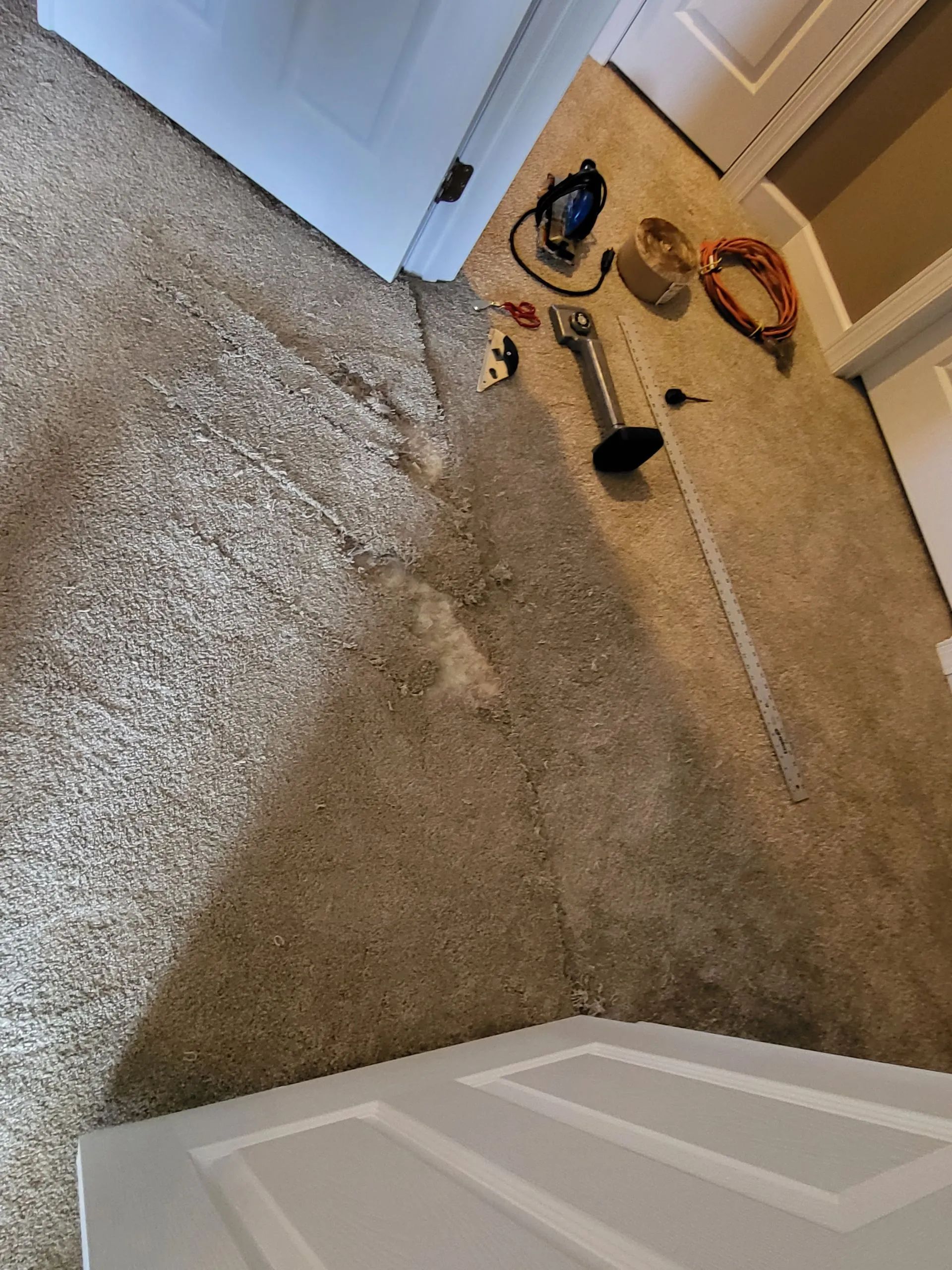
Professional carpet stretching is often the most effective solution for wrinkles and minor buckles. This involves:
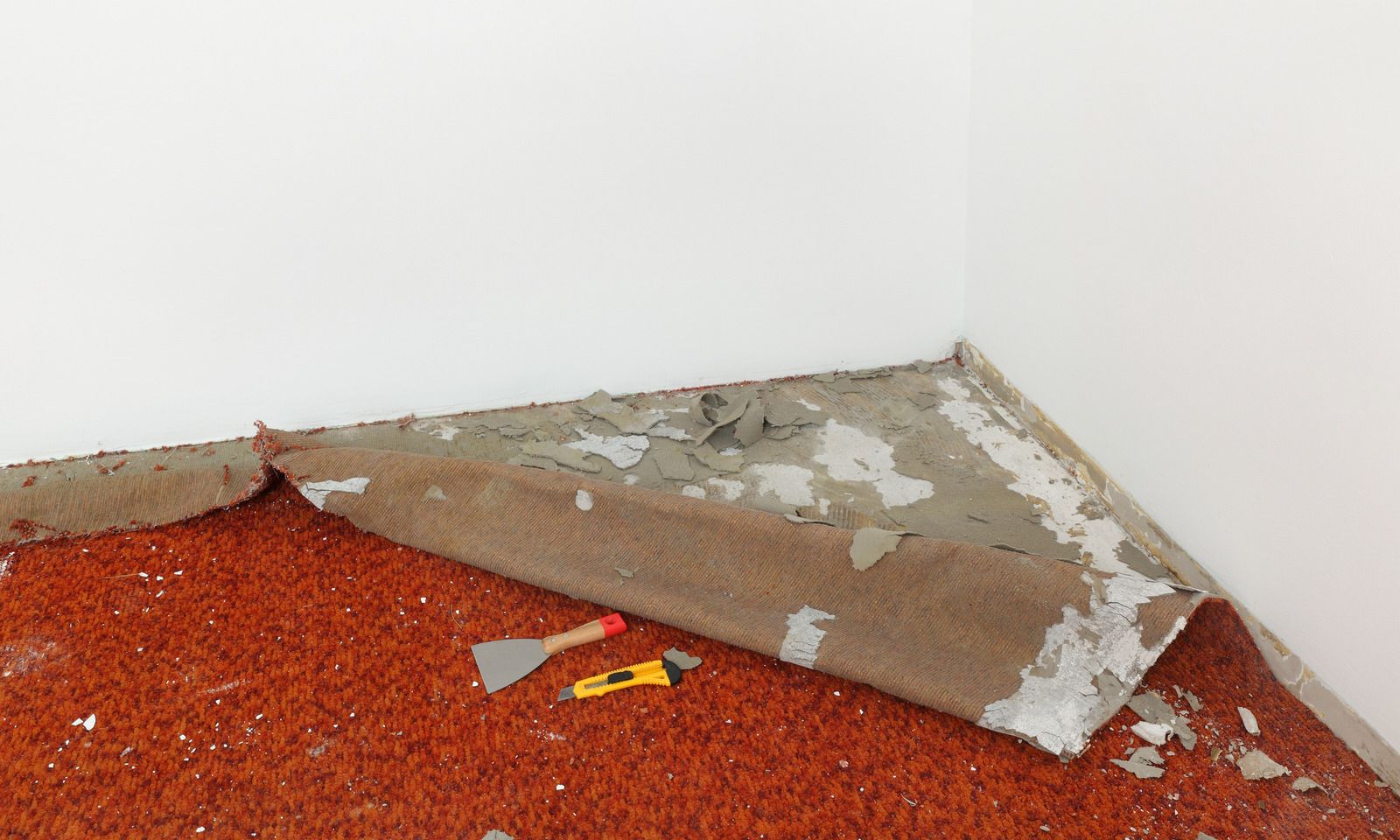
- Removing furniture and trimming edges if necessary.
- Using a power stretcher to restore tension across the carpet.
- Securing edges to tack strips along walls.
Proper stretching eliminates uneven surfaces, improves safety, and extends the carpet’s lifespan.
Patching or Replacement
For areas where damage is extensive, patching or partial replacement may be necessary. Key considerations include:
- Matching the carpet pattern and texture to maintain aesthetic continuity.
- Assessing the condition of the subfloor to prevent recurrence.
- Selecting durable adhesives that can withstand environmental changes.
Replacement is usually the last resort, but when buckling is severe or caused by water damage, it may be the most cost-effective long-term solution.
Preventing Future Issues
Once the carpet is repaired, proactive measures can minimize future buckling:
- Maintain consistent indoor humidity levels.
- Perform regular inspections, especially in high-traffic areas.
- Ensure proper furniture placement to avoid excessive pressure on carpet edges.
- Schedule professional cleaning and maintenance to preserve backing integrity.
Understanding the Role of Subfloor and Installation
Importance of Proper Installation
Carpet installation plays a significant role in preventing buckling. Key best practices include:
- Using the correct type and length of tack strips.
- Stretching the carpet evenly using power stretchers.
- Allowing sufficient acclimatization time for the carpet before installation.
Failure to adhere to installation standards often leads to long-term deformation, regardless of carpet quality.
Subfloor Preparation
An even and stable subfloor is essential. Common subfloor issues contributing to buckling include:
- Uneven plywood or concrete surfaces.
- Moisture accumulation due to leaks or condensation.
- Structural movement or settling of the foundation.
Addressing subfloor issues prior to installation ensures a stable base and reduces the likelihood of future wrinkling or buckling.
Expert Reasoning
Industry experts often stress that even high-quality carpet cannot compensate for poor installation or subfloor defects. In many cases, long-term maintenance costs are directly linked to the quality of the initial installation and the condition of the subfloor.
Long-Term Maintenance and Best Practices
Regular Inspections
Routine inspections help identify early signs of carpet deformation:
- Conduct seasonal checks for ripples or raised areas.
- Inspect around doors, furniture, and high-traffic zones.
- Look for signs of moisture or water intrusion.
Cleaning and Environmental Control
Maintaining a clean and stable environment supports carpet longevity:
- Regular vacuuming prevents dirt from undermining backing adhesives.
- Avoid excessive moisture during cleaning, as this can weaken the carpet.
- Maintain consistent temperature and humidity levels.
Preventive Strategies
Other effective preventive measures include:
- Rotating rugs or furniture periodically to distribute wear.
- Using high-quality underlayments for cushioning and stability.
- Addressing spills and leaks promptly to prevent water-related buckling.
Adhering to these best practices ensures that carpets remain flat, secure, and visually appealing over the long term.
Cost Considerations and Value of Professional Intervention
Financial Implications of Ignoring Carpet Damage
Neglecting carpet buckling or wrinkling can lead to significant costs:
- Safety hazards may result in liability issues, especially in commercial spaces.
- Advanced damage often requires complete carpet replacement.
- Subfloor repairs may be needed if moisture or structural issues go unchecked.
Cost-Effective Solutions
Professional repair and maintenance can be a cost-effective approach compared to total replacement. Stretching or patching damaged areas is typically less expensive and preserves carpet life. Investing in routine inspections and environmental controls further reduces the risk of costly future repairs.
Expert Insight
Carpet professionals emphasize that timely intervention is always more economical than deferred action. Addressing minor issues before they escalate ensures better safety, appearance, and overall investment value.
Preventing Future Damage with Proper Carpet Maintenance
Carpet buckling and wrinkling are more than just aesthetic concerns—they can impact safety, functionality, and long-term flooring costs. Recognizing early signs, understanding underlying causes, and taking prompt corrective action are essential steps for any property owner or manager. From immediate safety precautions to professional stretching, patching, and replacement, there are numerous strategies available to restore carpet integrity and prevent recurrence. Long-term maintenance, including proper installation, subfloor preparation, and environmental management, plays a critical role in ensuring your carpet remains secure, safe, and visually appealing for years to come.
For residents and businesses in Pittsburgh, Pennsylvania, Hamilton Flooring LLC
offers over 20
years of expertise in
addressing carpet-related challenges. Our team of seasoned professionals specializes in carpet inspection, repair, stretching, and replacement, ensuring durable, high-quality results. With a commitment to precision, safety, and customer satisfaction, Hamilton Flooring LLC
has become a trusted authority in the flooring industry. Whether you’re dealing with minor wrinkles or significant buckling, our experts provide tailored solutions to preserve the beauty, functionality, and value of your carpeted spaces.