The Hidden Costs of Ignoring Carpet Damage
Carpets are more than just a decorative element in homes and offices; they provide comfort, insulation, and a sense of warmth. Despite their importance, carpets are often overlooked when it comes to maintenance and repair. Many property owners assume that minor stains, frays, or small tears are purely cosmetic issues that can be ignored. However, ignoring carpet damage can lead to a cascade of problems that affect not only the appearance of your space but also your health, safety, and finances.
Understanding the hidden costs of neglecting carpet damage is essential for any property owner or facility manager. Damaged carpets can deteriorate quickly, leading to expensive repairs or complete replacement. Beyond the financial implications, untreated damage can harbor allergens, bacteria, and pests, potentially impacting the well-being of those who inhabit the space. By recognizing the risks and addressing carpet issues promptly, property owners can preserve both the longevity of their flooring and the overall quality of their environment. This guide explores the various consequences of ignoring carpet damage, practical insights for managing and preventing issues, and the benefits of timely intervention.
Structural and Material Deterioration – Why Damage Escalates
The Domino Effect of Neglected Tears
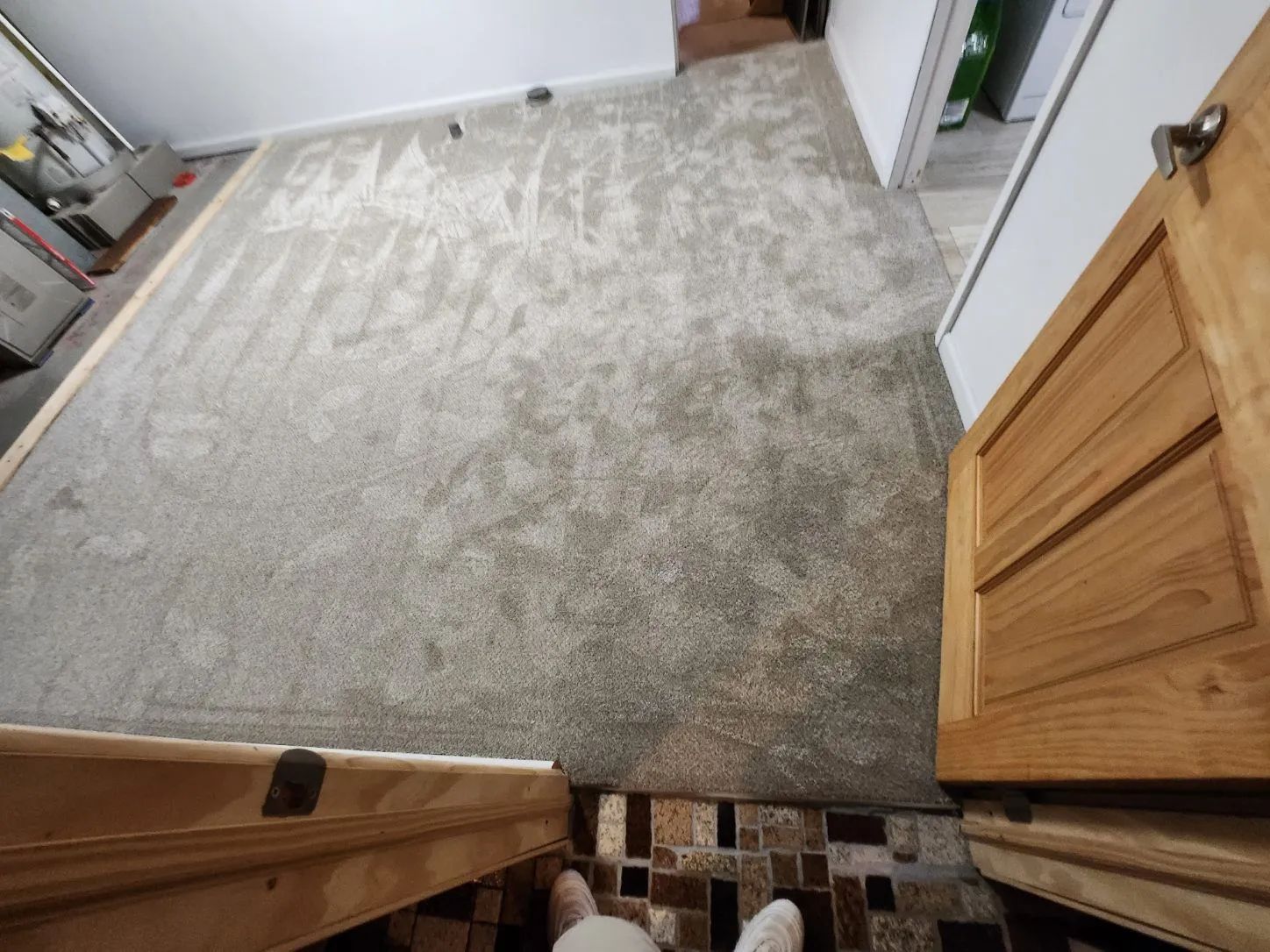
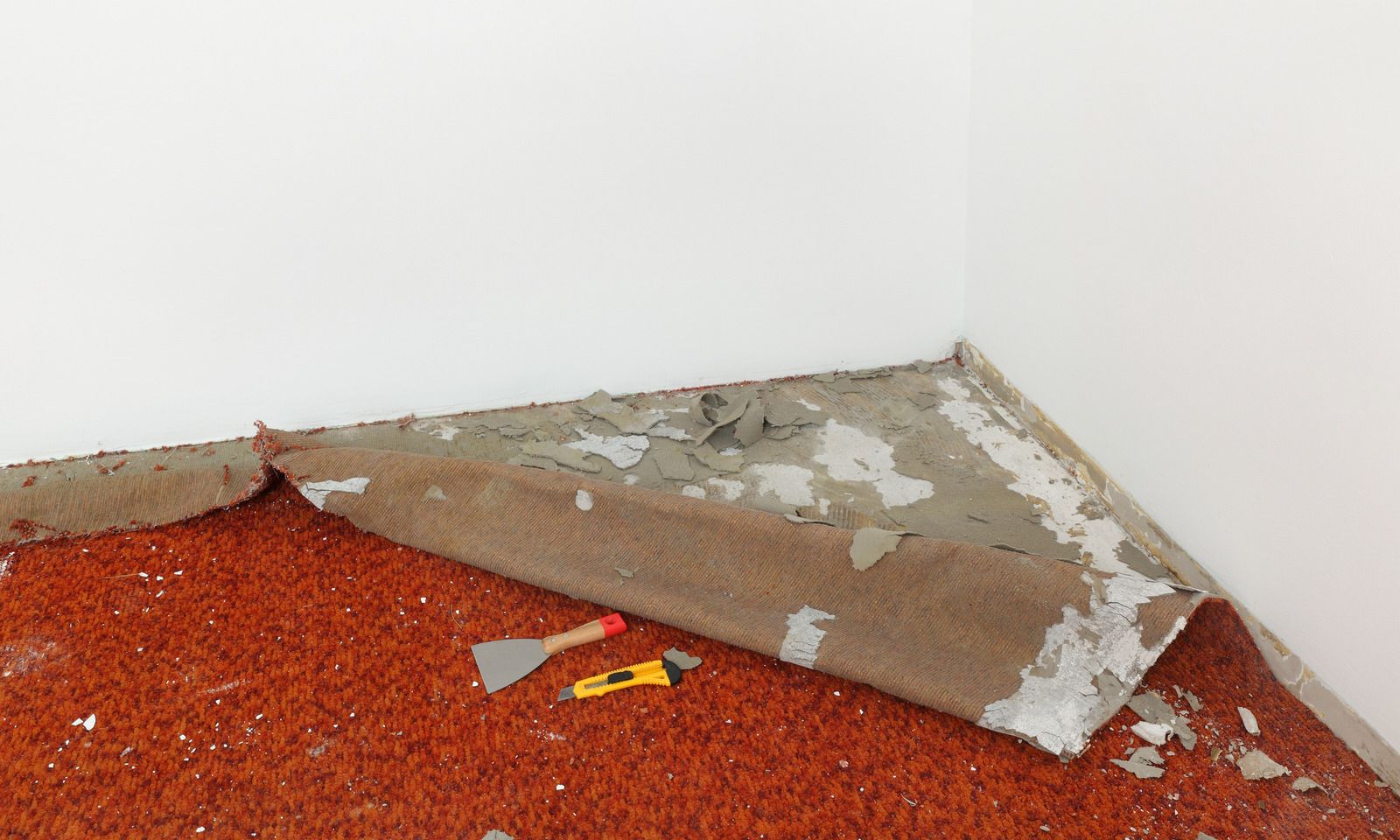
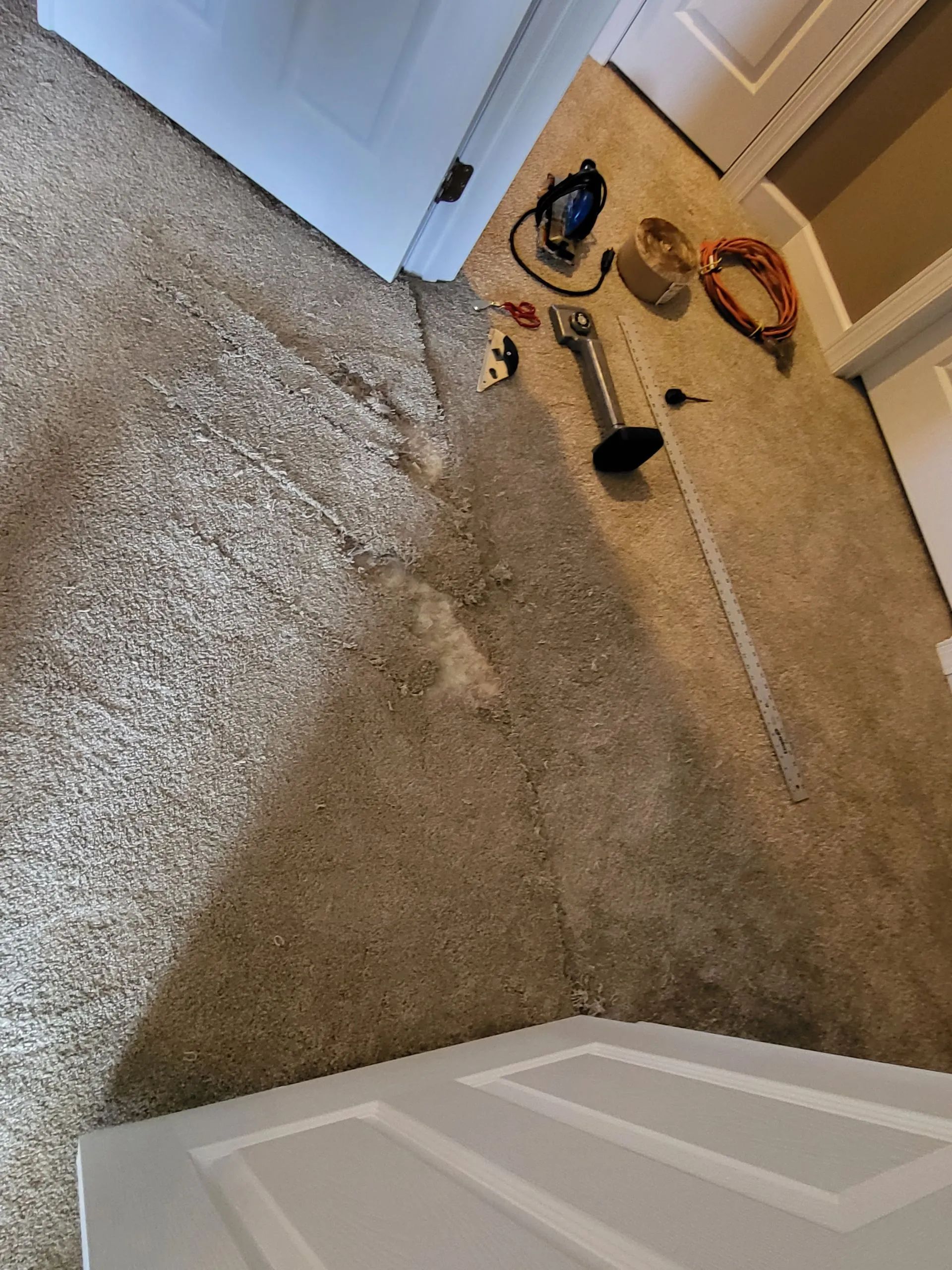
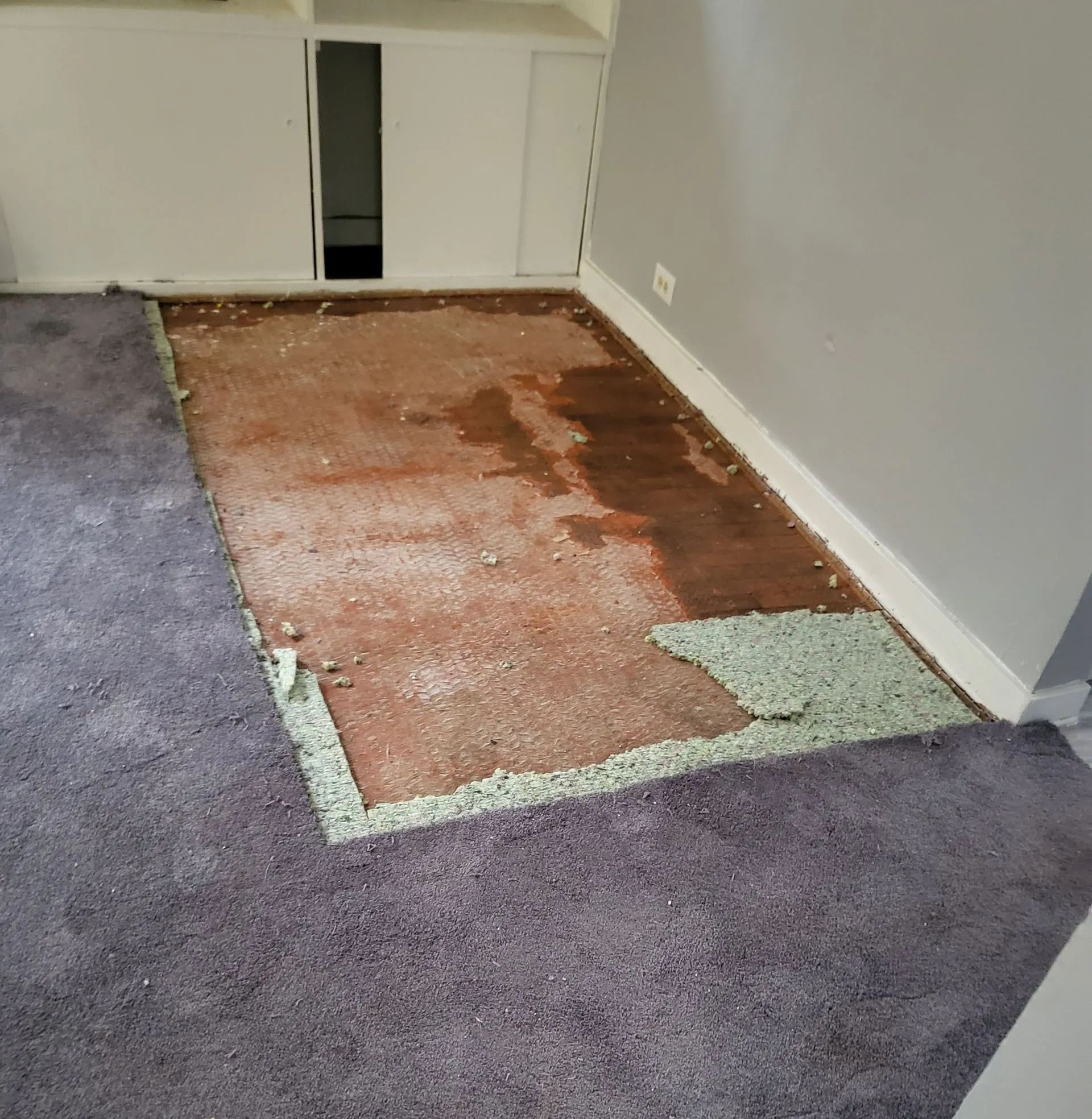
Small tears or frays in a carpet may seem harmless at first, but they can worsen rapidly if left untreated. Carpet fibers that are broken or loose can spread, causing rips to expand across larger areas. Over time, the underlying padding can become exposed, leading to uneven surfaces that are both unsightly and unsafe. For high-traffic areas, this kind of neglect accelerates wear, reducing the overall lifespan of the carpet and increasing the probability of complete replacement.
Moisture and Mold Growth
Water damage is a frequent contributor to carpet deterioration. Spills, leaks, or high humidity can seep into the carpet fibers and padding, creating a breeding ground for mold and mildew. Mold not only compromises the structural integrity of the carpet but also poses serious health risks, including respiratory issues, allergies, and skin irritations. Ignoring even minor water damage allows moisture to infiltrate subflooring, which can require costly repairs beyond carpet replacement.
Long-Term Financial Implications
Replacing a carpet prematurely due to accelerated wear and tear is significantly more expensive than repairing minor damage promptly. Investing in small repairs, such as patching tears or reinforcing edges, preserves the carpet's functionality and appearance while avoiding the higher costs associated with full replacement. Property managers and homeowners often underestimate the compounded financial impact of ignoring these small issues until it becomes unavoidable.
Health and Safety Concerns – More Than Just Aesthetic
Allergens and Dust Accumulation
Carpets act as a natural filter for dust, dirt, and allergens. However, when damage occurs, these particles can penetrate deeper into the fibers and padding. Frayed or torn areas trap dust mites, pet dander, and pollen more effectively than intact carpets, contributing to poor indoor air quality. For households with children, elderly residents, or individuals with asthma, this can lead to chronic health problems.
Increased Risk of Injury
Damaged carpets can create tripping hazards, particularly when edges curl or tears form raised sections. Even small frays can catch shoes, leading to falls and injuries. In commercial environments, this risk is heightened as more people traverse the space daily. Ignoring carpet damage can result in liability issues for business owners if an injury occurs on their premises due to unsafe flooring.
Pest Infestations
Carpet damage provides an entry point and shelter for pests such as carpet beetles, fleas, and other insects. These pests not only damage the carpet further but can also contaminate the surrounding environment. Early intervention, including proper cleaning and minor repairs, prevents infestations from taking hold and protects both the carpet and the health of occupants.
Aesthetic Decline and Property Value – The Subtle Costs
Immediate Visual Impact
The appearance of a carpet significantly affects the overall look and feel of a room. Worn or damaged carpets can make even well-maintained spaces appear neglected. Frayed edges, stains, and tears draw attention, creating a negative impression for guests, clients, or potential buyers. Regular maintenance and prompt repairs help maintain a polished, professional appearance.
Property Value Considerations
For homeowners looking to sell, carpet condition plays a key role in property valuation. Buyers often view damaged carpets as a reflection of overall property care. Even minor damage can lead to reduced offers or require the seller to invest in a full replacement before the sale. Maintaining carpet quality through regular inspection and repairs protects property value and enhances marketability.
Psychological and Environmental Effects
A damaged carpet can subtly influence how occupants perceive their environment. Worn or unsightly flooring may reduce comfort, satisfaction, and even productivity in workspaces. Conversely, well-maintained carpets contribute to a positive atmosphere, supporting well-being and creating a sense of pride in one’s home or business. The psychological cost of ignoring carpet damage is often overlooked but is a real consequence of neglect.
Hidden Maintenance Challenges – The Problems You Don’t See
Deep Cleaning Complications
Minor carpet damage can complicate routine cleaning. Frayed fibers and tears trap dirt and grime, making standard vacuuming and cleaning less effective. Over time, this leads to deeper contamination, including bacterial and allergen accumulation. Professional cleaning may become necessary more frequently, increasing ongoing maintenance costs.
Stains That Become Permanent
Spills on damaged carpet areas are more difficult to treat effectively. Stains can seep into exposed padding or fiber strands, leaving permanent marks even after cleaning attempts. Untreated stains not only affect appearance but can chemically degrade fibers, accelerating wear and contributing to odor retention. Immediate intervention is crucial to prevent long-term aesthetic and structural damage.
Odor and Moisture Retention
Carpet damage often allows moisture to penetrate deeper layers, where it may linger unseen. Over time, trapped moisture can create musty odors that are challenging to eliminate. This is particularly problematic in basements or areas with high humidity. Beyond discomfort, lingering moisture can further weaken carpet backing and padding, leading to costly structural repairs.
Best Practices for Preventing Carpet Damage – Proactive Solutions
Regular Inspection and Prompt Repairs
Frequent carpet inspections are key to identifying damage before it escalates. Property owners should examine high-traffic areas, edges, seams, and corners for signs of wear, fraying, or small tears. Addressing these issues early—whether through patching, fiber reinforcement, or professional repairs—prevents further deterioration and extends carpet lifespan.
Protective Measures and Maintenance
Using protective measures such as rugs, mats, or runners in high-traffic zones reduces wear and prevents damage from dirt and moisture. Additionally, routine vacuuming, professional cleaning, and immediate spill management are essential practices. Regular rotation of furniture can also prevent permanent indentations and uneven wear.
Professional Assessment and Expertise
Engaging professional carpet technicians for evaluation ensures that minor issues are treated effectively. Professionals can detect hidden problems such as mold growth, structural weaknesses, or subfloor damage. Their expertise allows for tailored solutions, whether patching small areas, deep cleaning, or recommending partial or full replacement. Investing in professional services early is often more cost-effective than facing extensive repairs later.
Educating Occupants and Staff
In commercial settings, educating employees or occupants about proper carpet care can prevent accidental damage. Encouraging practices such as using protective pads under furniture, avoiding high heels on delicate surfaces, and promptly addressing spills contributes to the overall longevity and appearance of carpets. Awareness and proactive behavior are simple yet powerful tools for preventing damage.
Long-Term Benefits of Timely Carpet Maintenance – Why Early Action Pays
Cost Savings Over Time
Repairing minor carpet damage is significantly less expensive than replacing entire sections. Early interventions preserve the integrity of the carpet, reduce the need for frequent professional cleanings, and extend its usable lifespan. Over years, this translates into substantial financial savings for homeowners and businesses alike.
Enhanced Comfort and Safety
Maintaining carpets in good condition improves the comfort and safety of the space. Even small repairs prevent tripping hazards and ensure a smooth, pleasant surface for walking. Well-maintained carpets also retain their cushioning properties, which are vital for reducing fatigue and providing a comfortable environment.
Environmental Responsibility
Extending the lifespan of carpets through proper care and timely repair is environmentally responsible. Carpet production and disposal have significant environmental impacts. By avoiding premature replacement, property owners reduce waste, minimize resource consumption, and support sustainability efforts.
Increased Property Appeal
Whether for a home or commercial space, a well-maintained carpet enhances overall appeal. This contributes to better first impressions, higher property valuation, and a positive perception among visitors or clients. Investing in carpet care is a small but effective step toward maintaining a desirable, professional, and welcoming environment.
Protecting Health and Safety Through Timely Carpet Care
Ignoring carpet damage comes with a multitude of hidden costs, ranging from accelerated wear and costly repairs to health risks and reduced property value. Small tears, frays, and stains can quickly escalate into larger issues if left untreated, impacting both the structural integrity and aesthetic appeal of the space. Beyond appearance, damaged carpets can harbor allergens, mold, and pests, compromising safety and comfort. Timely intervention, regular inspections, and professional maintenance are essential strategies to mitigate these risks, save money, and maintain a welcoming environment.
Hamilton Flooring LLC, based in Pittsburgh, Pennsylvania, has over 20
years of experience helping homeowners and businesses protect their flooring investments. Our team of experts specializes in identifying hidden carpet issues, performing effective repairs, and implementing preventive strategies to extend the life of carpets. With a commitment to quality, precision, and client satisfaction, Hamilton Flooring LLC
is a trusted authority in carpet care and maintenance. Partnering with us ensures your flooring remains durable, safe, and visually appealing for years to come.