DIY Carpet Removal: Pros, Cons, and When to Call a Pro
Carpet removal is a crucial step in any flooring renovation or upgrade project. Whether homeowners are replacing worn-out carpets, switching to hardwood, or installing new tiles, the removal process sets the stage for a smooth, professional finish. While carpet removal might appear straightforward at first glance, it involves more than simply pulling up old flooring. Hidden fasteners, adhesive residues, and structural nuances of subfloors can complicate the task, making careful planning and the right tools essential. Understanding the ins and outs of carpet removal is key to achieving a clean, damage-free workspace, whether you choose to tackle it yourself or hire an expert.
Many homeowners are drawn to DIY carpet removal because of its potential cost savings and the sense of personal accomplishment. However, DIY approaches carry inherent risks and challenges that can compromise the overall outcome if not executed properly. Evaluating the advantages and disadvantages of a DIY approach, alongside knowing when to call a professional, ensures both efficiency and safety. This guide explores the pros and cons of removing carpet on your own, details practical tips for DIY enthusiasts, and highlights situations where professional intervention is the smarter choice. By the end, readers will be equipped with the knowledge to make informed decisions for a successful flooring project.
Understanding the Basics of Carpet Removal
Types of Carpets and Their Impact on Removal
Carpet removal begins with recognizing the type of carpet installed. Residential and commercial carpets vary widely in thickness, backing, and installation methods. For instance, wall-to-wall carpets typically use tack strips along edges, while area rugs often rely on adhesives or rubber mats. Berber carpets, with their looped fibers, can be particularly resistant to tearing, while plush carpets may pull up more cleanly. Understanding these differences is essential for choosing the right tools and techniques, preventing unnecessary damage to subfloors.
Tools Needed for DIY Carpet Removal
Proper tools make the difference between a manageable DIY project and a frustrating ordeal. Essential equipment includes a utility knife for cutting the carpet into strips, pliers for pulling staples and tack strips, gloves for hand protection, and a pry bar to lift stubborn sections. For adhesive-backed carpets, specialized adhesive removers and scrapers are required to clear residues effectively. Homeowners should also consider knee pads and dust masks to ensure safety during extended removal sessions.
Subfloor Considerations
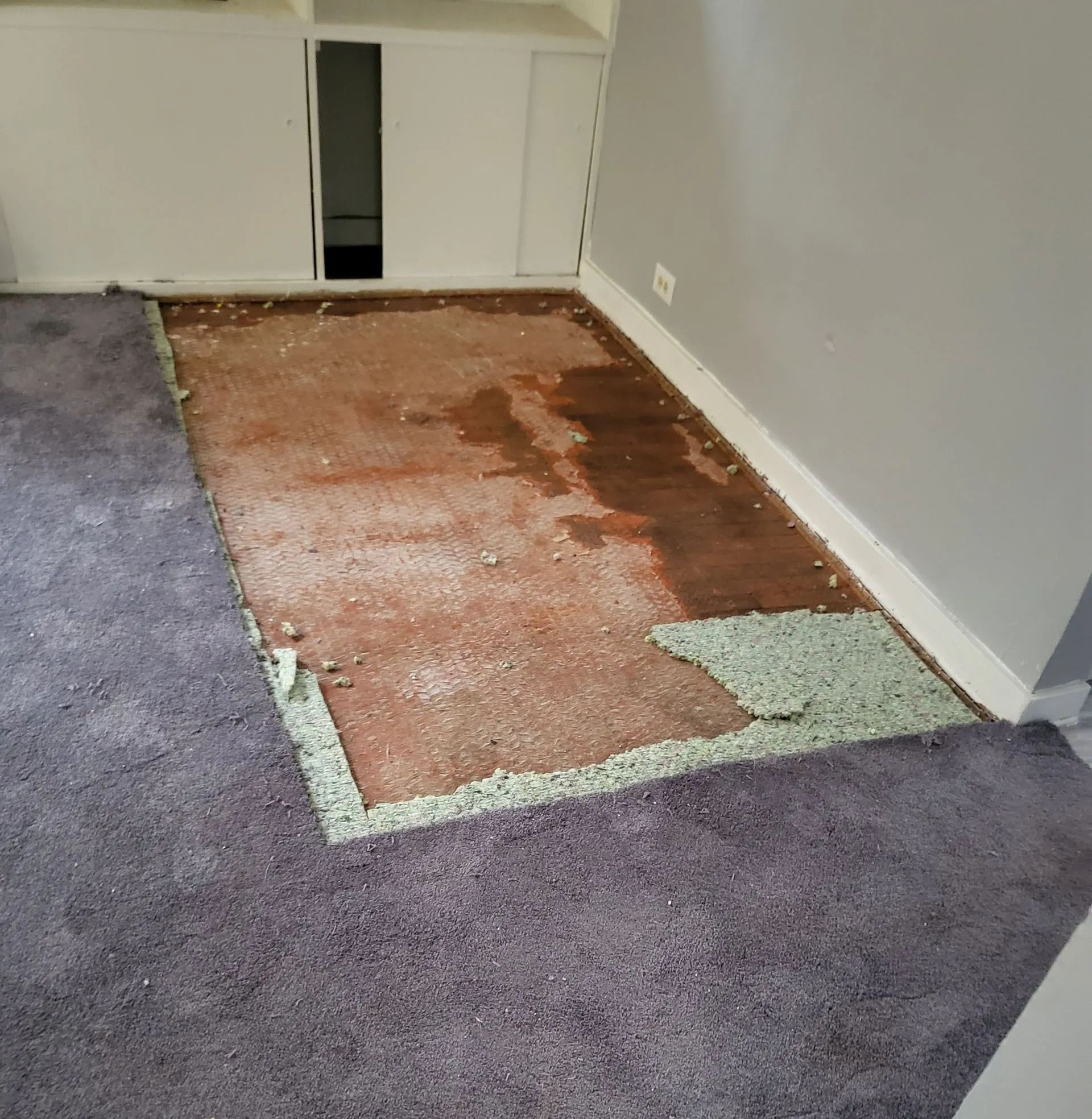
The condition of the subfloor beneath the carpet affects both removal difficulty and future flooring installation. Hardwood, concrete, and plywood subfloors each present unique challenges. For example, adhesive residues on concrete may require heavy-duty scraping, while hardwood subfloors risk scratches or gouges if pry bars are used incorrectly. Inspecting the subfloor before removal allows homeowners to anticipate potential issues and plan the necessary repair or prep work.
Pros of DIY Carpet Removal
Cost Savings
One of the most appealing aspects of DIY carpet removal is the potential to save money. Hiring professionals can cost several hundred dollars, depending on room size and carpet type. By handling the removal yourself, you eliminate labor costs and only pay for disposable tools or minor supplies. For homeowners on a tight budget, this makes DIY removal an attractive option.
Flexibility and Scheduling
DIY projects offer flexibility that professional services cannot always provide. Homeowners can work at their own pace, schedule tasks around personal commitments, and address problems immediately as they arise. This autonomy can be especially useful in multi-phase renovations where carpet removal is just the first step.
Hands-On Experience and Skill Development
Removing carpet yourself provides practical experience that can be valuable for future home improvement projects. Learning how to safely strip flooring, handle tools, and manage waste disposal equips homeowners with skills transferable to other renovation tasks, from hardwood refinishing to tile installation. For DIY enthusiasts, this knowledge can build confidence and reduce reliance on outside contractors for minor home projects.
Cons of DIY Carpet Removal
Physical Labor and Fatigue
Carpet removal is physically demanding, requiring bending, pulling, and lifting heavy materials. This can lead to fatigue, muscle strain, or even injury, particularly when dealing with large rooms or stubborn carpets. For older adults or those with physical limitations, DIY removal can be challenging and risky.
Risk of Damage to Subfloor
Without proper technique, DIY carpet removal can damage the underlying subfloor. Nails, staples, or aggressive scraping may leave dents, scratches, or gouges. This not only complicates the installation of new flooring but can also lead to additional repair costs that offset the savings from DIY labor.
Time Consumption
Even small rooms can take hours to remove carpets completely, especially when dealing with adhesive-backed flooring. Large-scale projects may require multiple days, extending renovation timelines. Homeowners must weigh the time investment against potential cost savings to determine if DIY is practical.
Waste Disposal Challenges
Carpet removal generates significant waste, including carpet, padding, tack strips, and adhesive residues. Disposing of these materials responsibly can be a logistical challenge. Many municipalities have specific rules for construction waste, and improper disposal may result in fines or environmental harm.
Best Practices for DIY Carpet Removal
Preparing the Space
Effective preparation reduces risks and improves efficiency. Begin by removing furniture, appliances, and any floor-mounted fixtures. Clear pathways to prevent tripping hazards and protect walls and doorframes with painter’s tape or cardboard shields. Ventilating the area is also important, particularly when dealing with dust or adhesive fumes.
Step-by-Step Removal Process
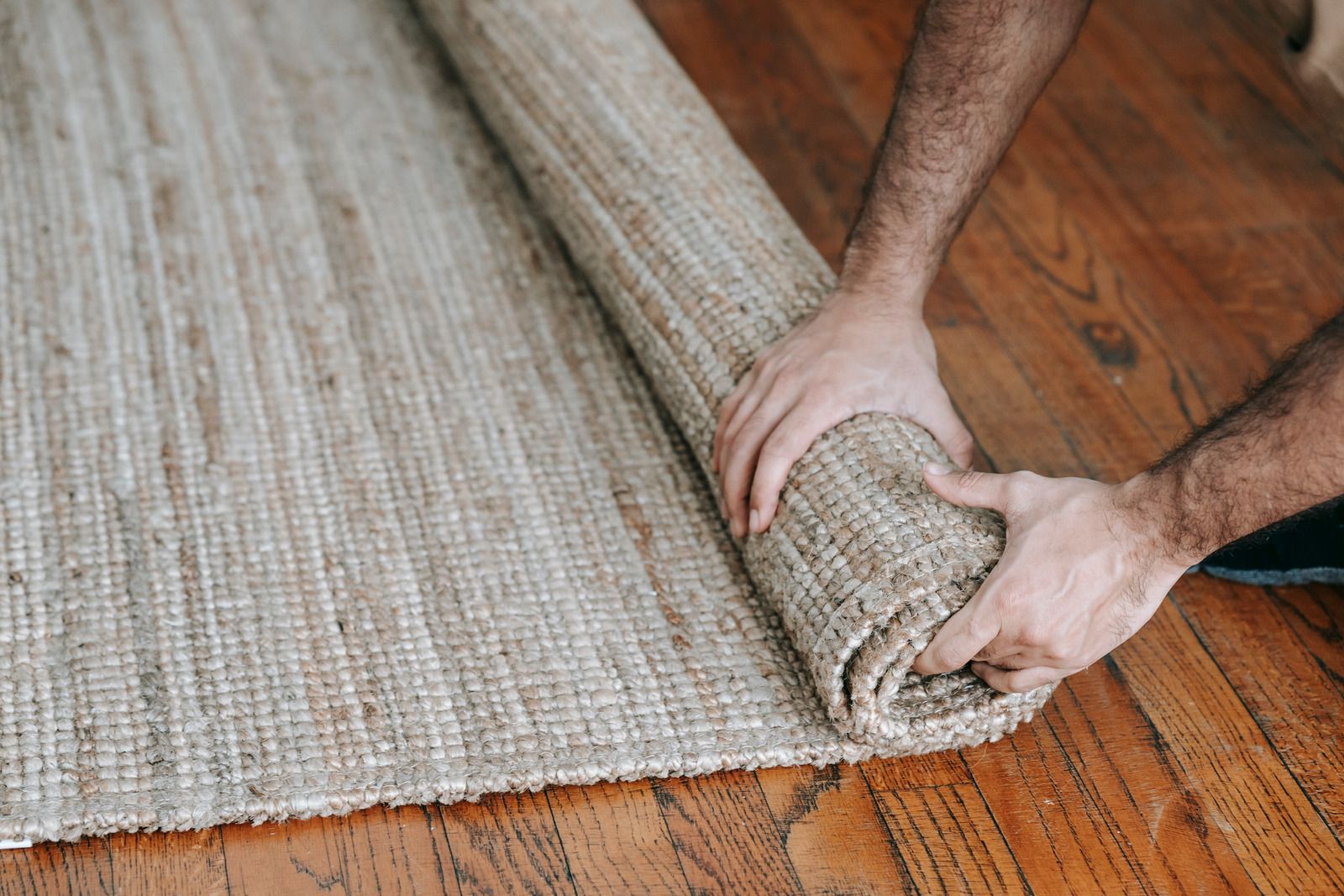
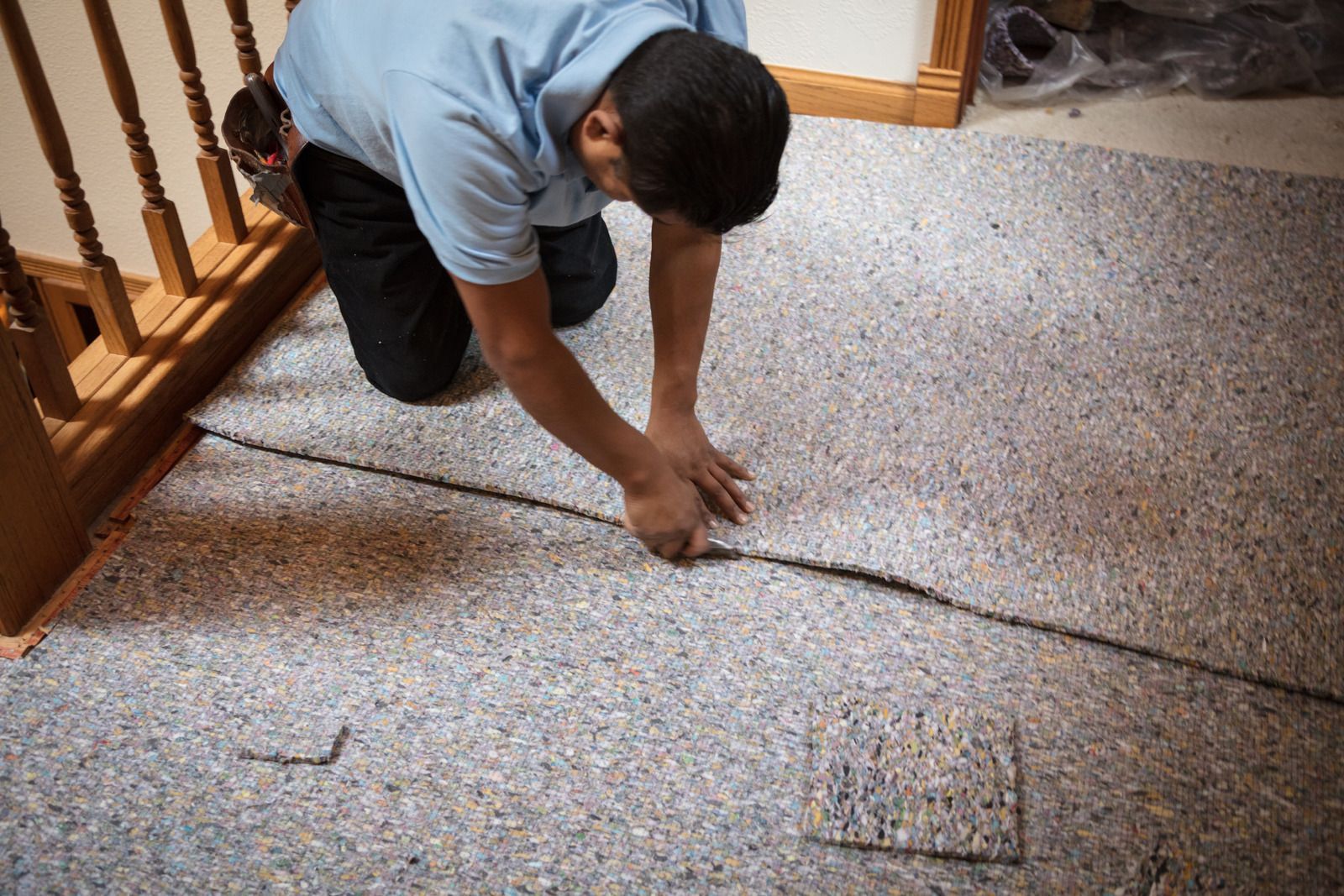
- Cutting the Carpet: Use a utility knife to divide the carpet into manageable strips. Cutting along the room's width helps create sections that are easier to handle.
- Pulling Carpet and Padding: Starting at a corner, carefully lift the carpet and pull it away from tack strips or adhesive. Remove padding in the same manner.
- Removing Tack Strips and Staples: Use pliers or a pry bar to extract nails and staples. Remove tack strips with caution to avoid damaging subfloors.
- Cleaning Residue: Apply adhesive remover to any stubborn spots. Scrape residue with a putty knife or floor scraper until the surface is smooth and clean.
Safety Measures
Safety should be a top priority during carpet removal. Wearing gloves prevents cuts and abrasions, while knee pads reduce strain during prolonged floor work. Eye protection is recommended when cutting or prying, and dust masks prevent inhalation of fibers or debris. Additionally, lifting techniques should prioritize back safety to avoid injury.
Efficient Waste Management
Plan waste disposal in advance to minimize disruptions. Rent a small dumpster for larger projects, or arrange pickups with local waste management services. Breaking down carpet into smaller pieces reduces bulk and simplifies transport. Recycle carpet where possible to limit environmental impact.
Signs You Should Call a Professional
Extensive Damage or Complicated Flooring
Certain scenarios warrant professional intervention. Homes with damaged subfloors, multi-layered carpets, or complex layouts may require specialized equipment and expertise. Professionals can quickly navigate these challenges while minimizing risks of subfloor damage.
Presence of Hazardous Materials
Older carpets may contain asbestos or other hazardous materials. DIY removal in such cases is not recommended, as exposure can pose serious health risks. Certified professionals are trained to handle these materials safely and ensure regulatory compliance.
Time Constraints and Large Projects
If the project scope is significant or time is limited, hiring experts ensures timely completion. Professional teams can efficiently remove carpet from multiple rooms, dispose of waste correctly, and prepare the subfloor for the next phase of renovation.
Desire for a Smooth, Ready-to-Install Subfloor
Professionals provide additional value by inspecting, repairing, and leveling subfloors during removal. This ensures a perfect foundation for new flooring, saving time and preventing issues such as uneven tiles or gaps in hardwood planks.
Tips for Hiring a Professional Carpet Removal Service
Research and Credentials
Verify the experience, licensing, and insurance of potential service providers. Reading online reviews and requesting references ensures reliability and quality. Professionals with proven track records in both residential and commercial settings often deliver superior results.
Cost Estimates and Transparency
Obtain multiple quotes to understand the average cost range. Transparent pricing avoids unexpected expenses and allows for proper budgeting. Ask whether the estimate includes waste disposal, subfloor inspection, and adhesive removal for an accurate comparison.
Service Scope and Additional Benefits
Check if the service includes supplementary benefits, such as minor subfloor repairs, moisture inspections, or recycling options. Comprehensive services can simplify your renovation project and provide peace of mind.
Essential Insights on DIY Versus Professional Carpet Services
DIY carpet removal offers homeowners potential cost savings, flexibility, and hands-on experience. However, the process comes with physical demands, risks of subfloor damage, and time-intensive challenges that may outweigh the benefits for larger or more complex projects. Understanding the type of carpet, the tools required, and safety measures is essential for a successful DIY approach. At the same time, recognizing situations that warrant professional intervention ensures a smooth, damage-free transition to new flooring.
For homeowners seeking expertise and reliable service, Hamilton Flooring LLC
in Pittsburgh, Pennsylvania, provides over 20
years of experience in flooring solutions. Their team specializes in carpet removal, subfloor preparation, and installation of a variety of flooring types. Known for professionalism, efficiency, and attention to detail, we ensure that each project is completed safely and efficiently. Whether dealing with a small home project or a larger commercial space, their knowledge and trusted approach make them the go-to authority for flooring removal and installation needs, giving clients confidence and peace of mind throughout the process.