When Is It Time to Remove Your Old Carpet? Signs to Watch For
Carpet is one of the most widely used flooring options in homes and businesses, offering comfort, warmth, and aesthetic appeal. Over time, however, even the most durable carpets show signs of wear and deterioration. Aging carpet can compromise not only the look of a space but also its hygiene, safety, and overall indoor air quality. Recognizing when a carpet has reached the end of its functional life is essential for maintaining a clean, safe, and attractive environment. This requires careful observation of both visible and subtle indicators that signal the need for replacement. Regular inspections and attention to high-traffic areas can reveal early signs of damage, helping prevent extensive problems before they become costly. Taking proactive steps ensures that spaces remain inviting, comfortable, and well-maintained.
Many property owners underestimate the impact of old carpet on daily life. Stains may accumulate beyond cleaning, fibers can flatten, and allergens can build up in ways that cleaning alone cannot remedy. By identifying the warning signs early, it becomes possible to plan for carpet removal and replacement strategically, avoiding damage to subflooring, persistent odors, and health risks associated with mold, dust, and bacteria. Understanding these signals also helps prevent costly maintenance and ensures a smooth transition to a fresh, durable flooring option. In addition, replacing worn carpet at the right time can enhance the overall aesthetic of a property, increase longevity of flooring investments, and contribute to a healthier living or working environment. With careful attention, carpet replacement becomes a planned, manageable process rather than a reactive emergency.
1. Visible Wear and Damage
Flattened Fibers and Matting
Carpet fibers naturally lose resilience over time, especially in high-traffic areas such as hallways, living rooms, and office entrances. Flattened fibers, also called matting, reduce the carpet's ability to rebound, making it appear worn and tired. This not only affects aesthetics but also reduces comfort underfoot. Regular vacuuming can delay fiber flattening, but persistent matting is a clear signal that cleaning alone cannot restore the carpet.
Fraying and Loose Edges
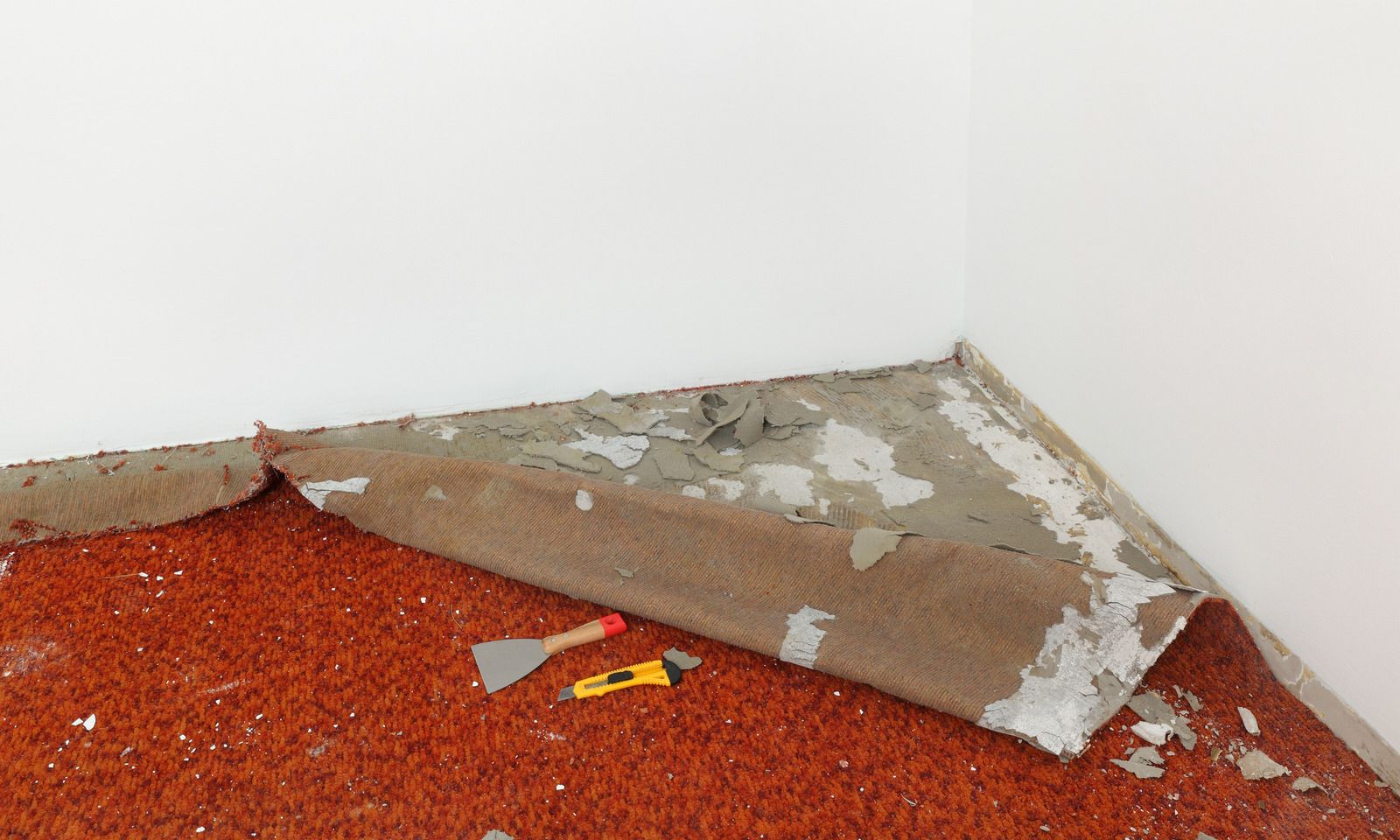
Frayed edges, unraveling seams, and curling corners are strong indicators that carpet backing is weakening. Carpet edges that begin to fray not only look unsightly but also pose a tripping hazard. Over time, damaged edges can extend into larger sections of wear, making partial repairs insufficient. If fraying is noticeable along doorways or staircases, it is typically time for full carpet replacement rather than patchwork.
Permanent Stains
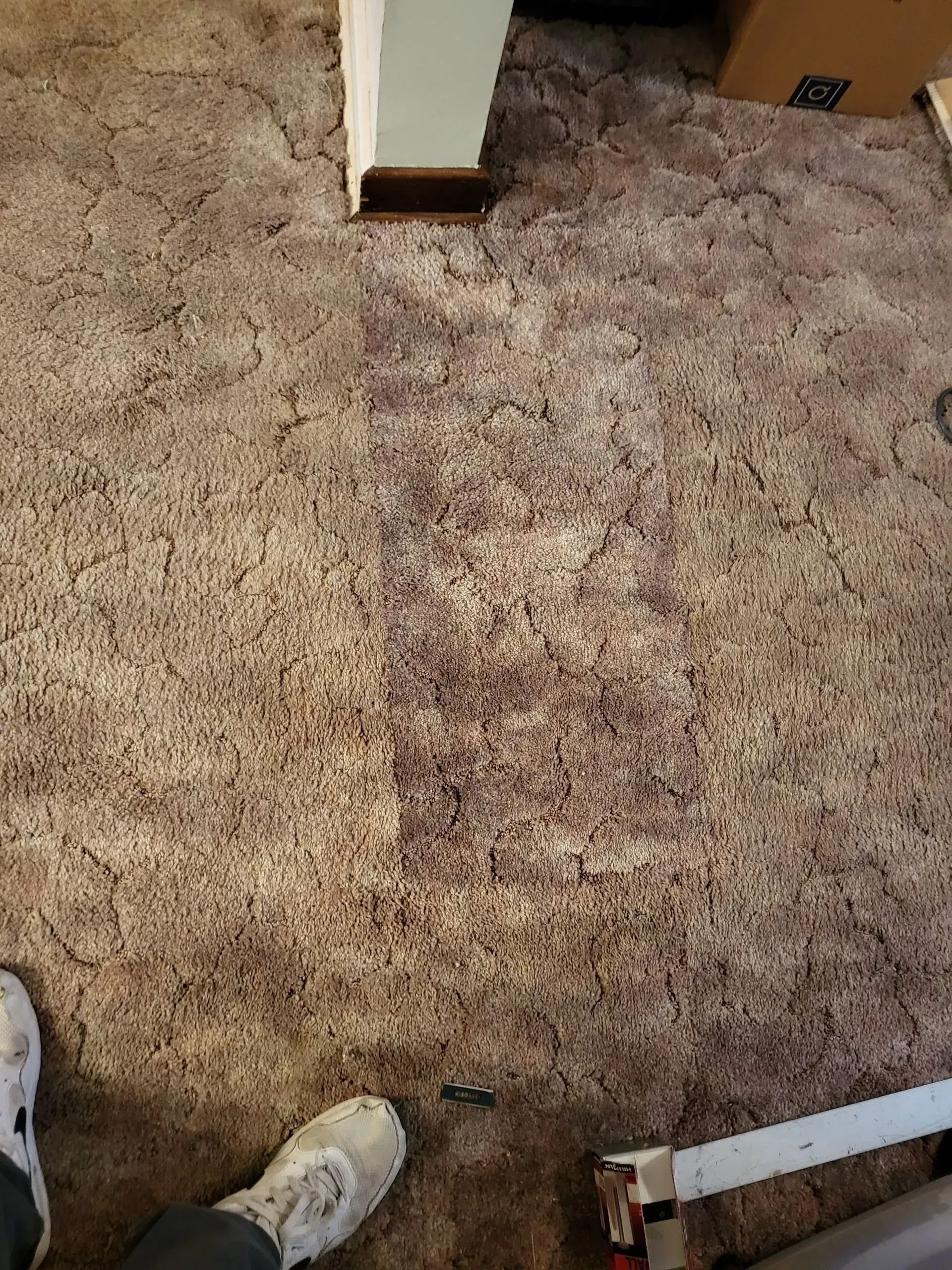
Some stains, particularly those from wine, coffee, pet accidents, or heavy foot traffic, embed themselves into fibers and refuse to lift even with professional cleaning. Persistent discoloration alters the overall appearance of a room and diminishes property value. While spot treatments may temporarily improve the look, widespread, non-removable stains indicate that carpet removal is the more practical solution.
2. Odors and Allergens
Lingering Odors
Over time, carpets can trap odors from pets, food, smoke, and moisture. If these smells persist even after deep cleaning and deodorizing, it signals that the underlying carpet padding or fibers have absorbed contaminants. Lingering odors can impact indoor air quality, making living or working spaces uncomfortable and unhealthy. Carpets that have been exposed to water damage or flooding are particularly prone to retaining odors, even after drying.
Accumulated Allergens
Carpets are natural filters for dust, pollen, pet dander, and other allergens. While regular vacuuming and professional cleaning remove some particles, older carpets often harbor allergens deep in the pile, releasing them into the air with foot traffic. Individuals with asthma, allergies, or respiratory sensitivities are especially vulnerable. Persistent sneezing, coughing, or irritation linked to a carpeted area is a sign that the flooring may have surpassed its effective lifespan.
Mold and Mildew Risks
Moisture trapped under or within the carpet can lead to mold and mildew growth. Mold spores pose serious health risks and can damage subflooring over time. Even if the carpet appears clean, the presence of moisture-related odors or visible mold growth requires immediate removal to prevent further damage and potential health hazards.
3. Structural and Subfloor Concerns
Worn Carpet Padding
Carpet padding is essential for cushioning and durability. Old, compressed, or deteriorated padding reduces comfort and can cause the carpet to sag or develop uneven surfaces. Padding that has lost resilience can no longer support the carpet fibers, contributing to premature wear. Replacement of padding along with carpet ensures long-term performance and comfort.
Uneven or Buckled Carpet
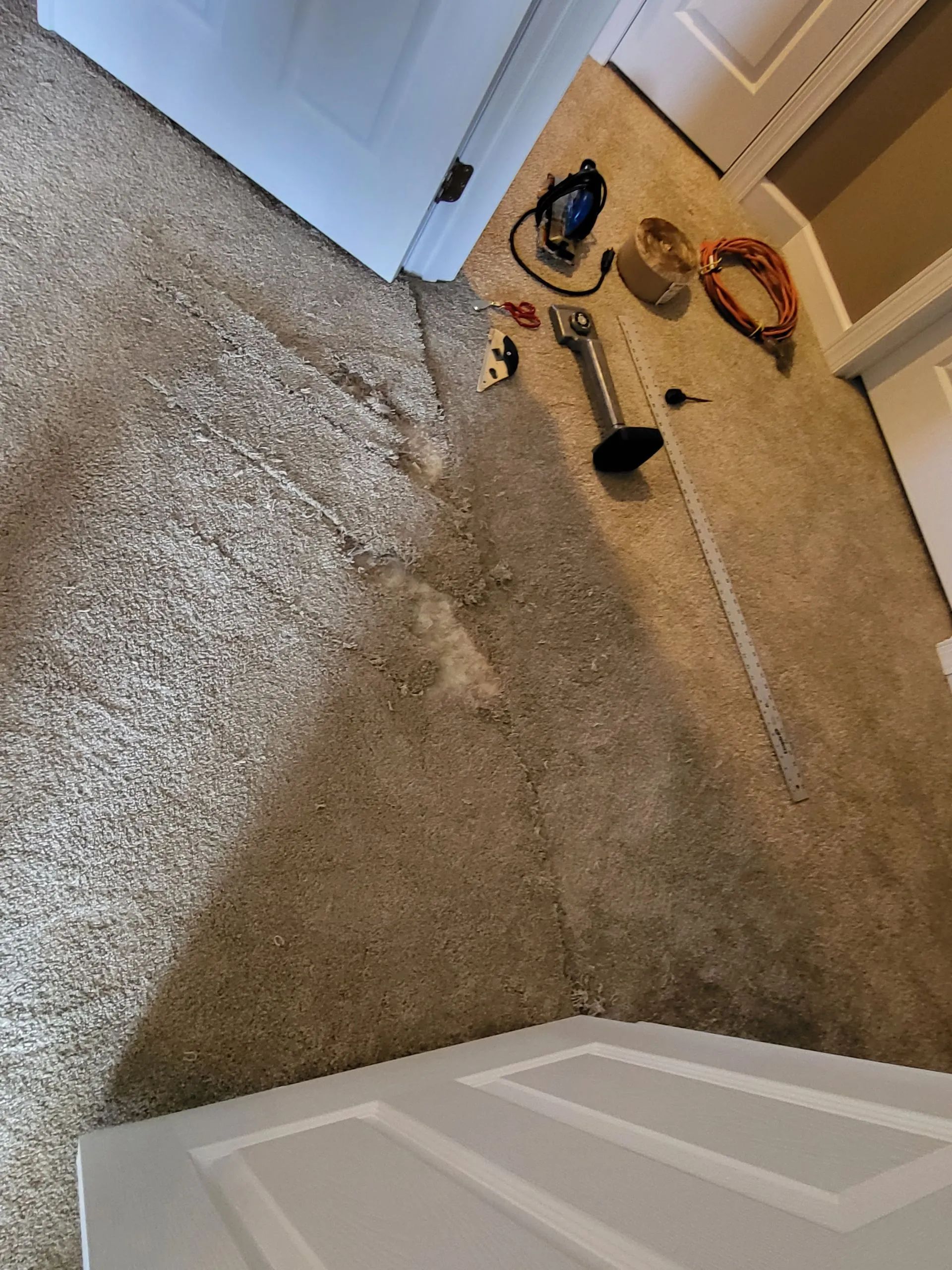
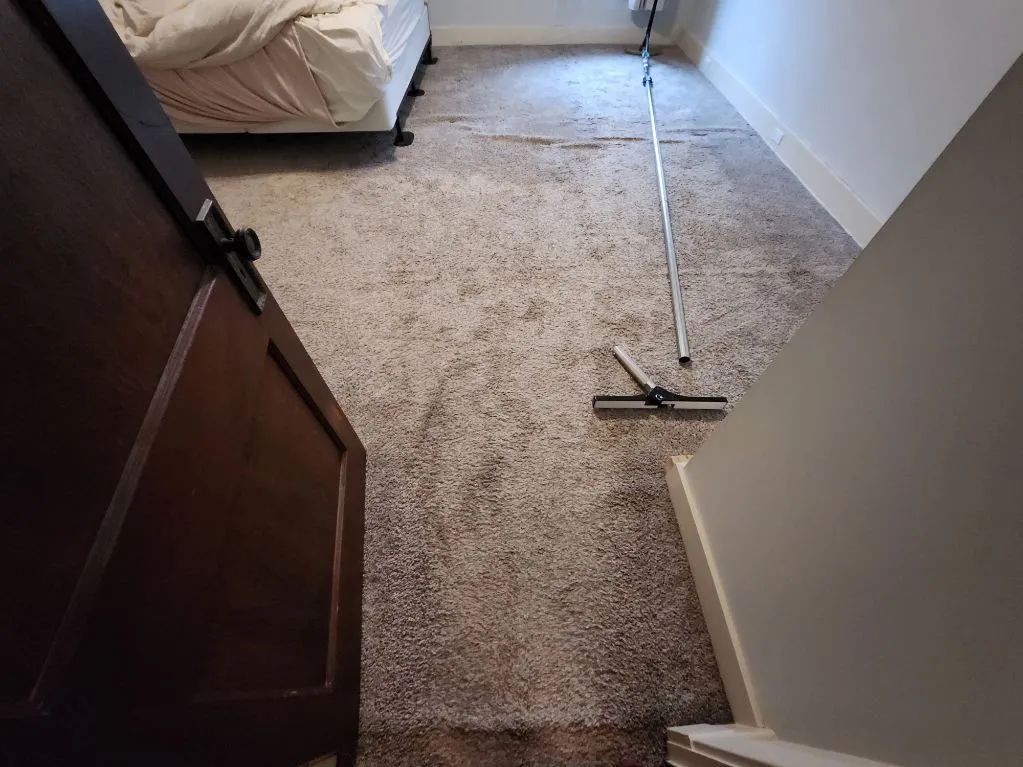
Bubbles, wrinkles, or buckling often indicate a failing carpet installation or aging backing. Uneven surfaces create trip hazards and can worsen over time, making the flooring both unsafe and unattractive. Attempting to stretch or repair severely buckled carpet is rarely effective, and removal is often the most reliable solution.
Subfloor Damage Detection
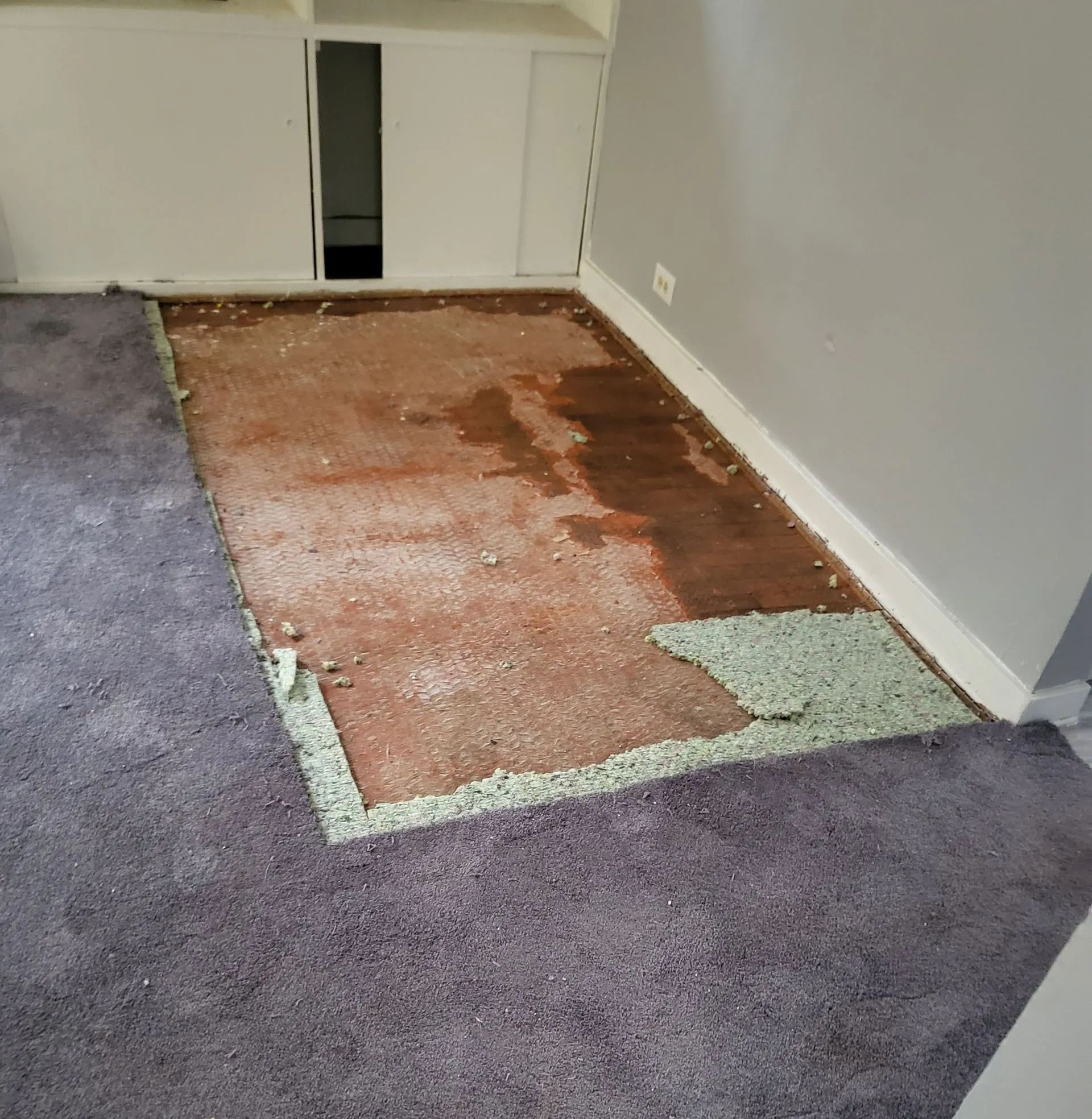
In some cases, carpet removal reveals subfloor issues such as rot, warping, or water damage. Early replacement of an old carpet can help identify these hidden problems before they escalate, saving significant costs in future repairs. Waiting too long to replace worn carpet may allow subfloor deterioration to progress unnoticed, increasing replacement complexity and expense.
4. Changes in Aesthetic Appeal
Outdated Style or Color
Design trends evolve, and older carpets may no longer match current décor. Faded colors, worn patterns, and dated textures can make a space feel tired and uninviting. While aesthetics alone may not demand replacement, combining visual decline with other signs like wear or odor often justifies upgrading flooring.
Inconsistent Texture
High-traffic areas develop uneven textures compared to lightly used sections. This inconsistency can create a patchy appearance that distracts from a cohesive design. Walking on an uneven surface can also feel uncomfortable. Visual inconsistency is particularly noticeable in open floor plans or spaces with natural lighting that highlights texture differences.
Sun Damage and Fading
Carpet exposed to direct sunlight over many years can fade unevenly, leaving blotches and streaks. UV exposure weakens fibers and accelerates wear, especially near windows and sliding doors. Protective measures such as window treatments or UV-filtering films may slow fading, but old carpets with significant discoloration usually require replacement to restore a uniform appearance.
5. Signs Specific to High-Traffic Areas
Stretched or Loose Carpet
High-traffic zones, including entryways, hallways, and commercial spaces, are prone to stretching, which causes ripples or gaps. Loose carpets create tripping hazards and make cleaning more difficult. Stretching often indicates that the carpet has exceeded its functional life, particularly when paired with worn backing or compressed padding.
Wear in Staircases and Hallways
Staircases, corridors, and other heavily trafficked areas show accelerated wear patterns, including flattening, discoloration, and fiber shedding. Concentrated damage in these spots diminishes both safety and aesthetics, signaling the need for comprehensive carpet replacement rather than isolated patchwork.
Pet and Child Damage
Homes with pets or young children experience additional carpet stress. Scratches, claw marks, spills, and frequent accidents can compromise carpet integrity faster than in low-traffic areas. Even with regular cleaning, the combination of physical damage and embedded stains often necessitates full removal for a hygienic, visually appealing result.
6. Cost and Maintenance Considerations
Escalating Cleaning Costs
Older carpets often require more frequent and intensive cleaning to maintain acceptable hygiene and appearance. If maintenance costs begin to outweigh the price of replacement, it becomes economically sensible to invest in new flooring. High maintenance not only increases expenses but also consumes time and energy, making replacement a practical long-term solution.
Decreased Lifespan of Cleaning Solutions
Modern cleaning methods may be less effective on outdated fibers. Synthetic carpets from decades ago may not respond to contemporary cleaning agents or steam methods, limiting restoration potential. When even professional treatments fail to revitalize carpet, removal is the most reliable option to achieve lasting cleanliness.
Long-Term Investment Benefits
Replacing worn carpet can enhance property value, improve aesthetics, and reduce health risks. While installation carries an upfront cost, the long-term advantages include easier maintenance, improved comfort, and better air quality. Considering carpet lifespan, high-traffic areas, and hidden subfloor concerns, proactive replacement often proves more cost-effective than repeated attempts at repair and restoration.
Reliable Carpet Solutions from Pittsburgh Flooring Experts
Recognizing the signs of aging carpet is crucial for maintaining a healthy, attractive, and safe environment. Visible wear, fraying, persistent odors, allergen accumulation, uneven surfaces, and fading are all indicators that carpet has reached the end of its useful life. High-traffic zones, pet-damaged areas, and moisture exposure accelerate deterioration, while rising cleaning costs and ineffective maintenance further underscore the need for timely replacement. Addressing these issues early not only preserves the aesthetic integrity of a space but also prevents potential health hazards and subfloor damage. Proactive carpet replacement also supports overall property value and enhances comfort for occupants, creating a more inviting and well-maintained environment. Knowing when to act ensures long-term savings and avoids the stress of emergency flooring fixes.
At Hamilton Flooring LLC
in Pittsburgh, Pennsylvania, over 20
years of experience guides every flooring decision with expertise and precision. We specialize in carpet removal, replacement, and installation, ensuring that each project is executed with professionalism and care. Our knowledge of materials, techniques, and long-term performance allows for tailored solutions that meet both practical needs and design goals. Trust Hamilton Flooring LLC
to provide reliable, high-quality service that transforms spaces, enhances comfort, and maintains lasting value. With every project, commitment to customer satisfaction, attention to detail, and use of industry-leading practices guarantee results that endure. Choosing Hamilton Flooring LLC
ensures confidence, quality, and a flooring investment that will stand the test of time.